

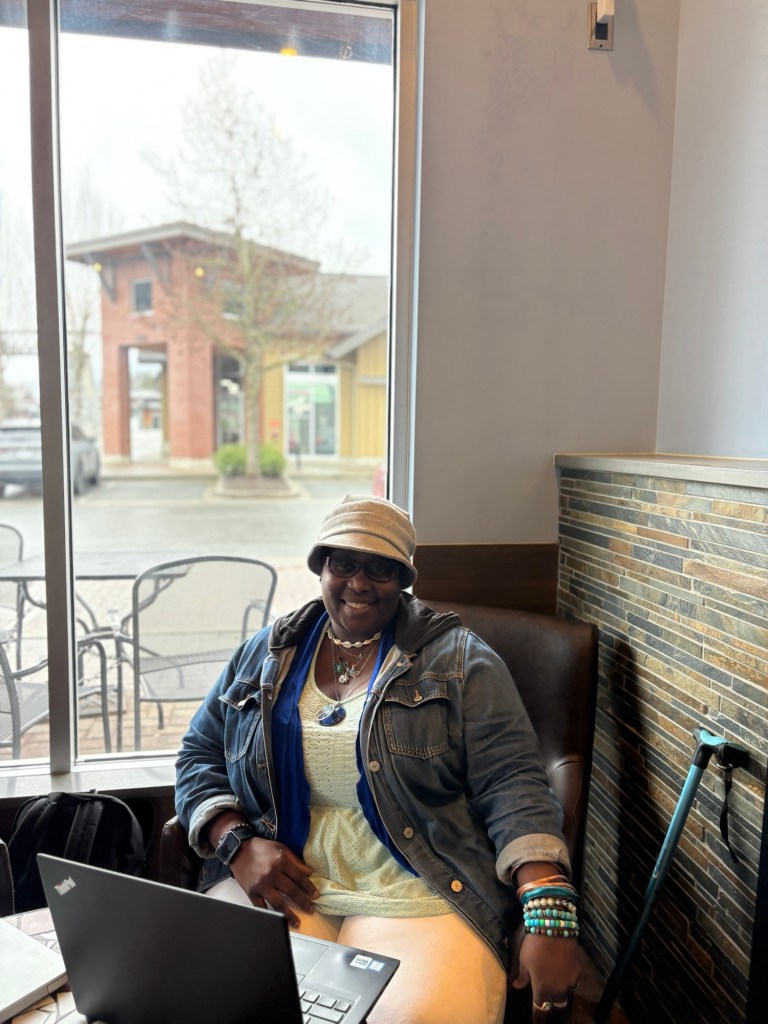
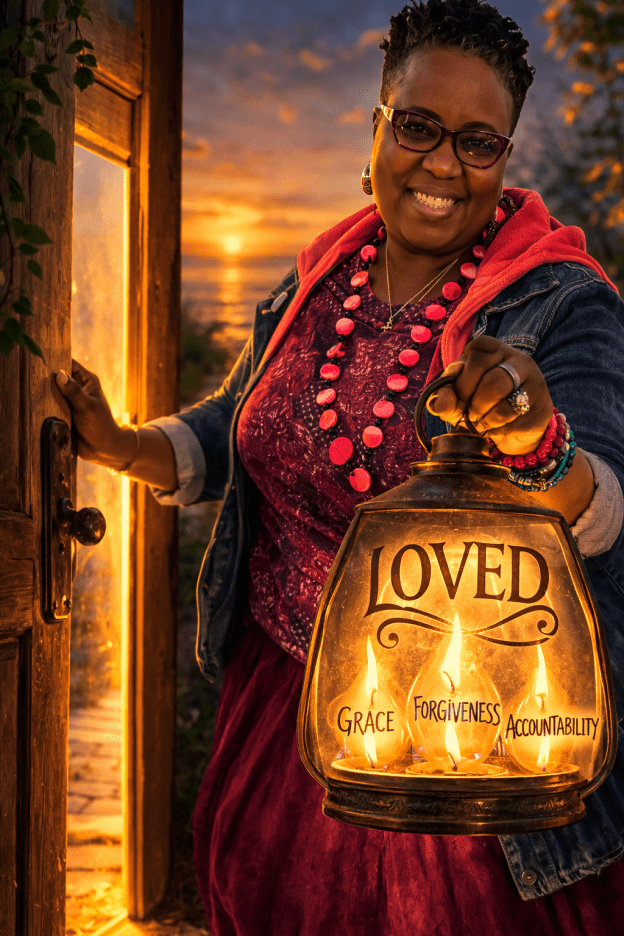
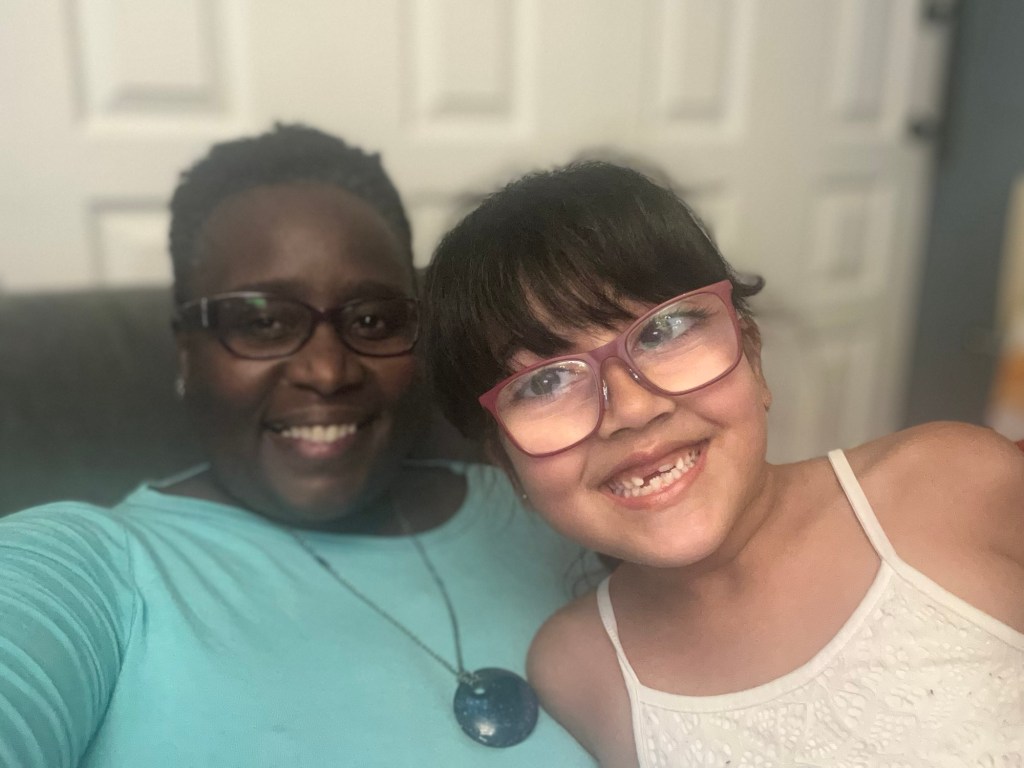
Today is March 13, 2026. A week ago I was at a meeting with Anjali, and the day had been so full of everything good — including conflict resolution that ended with acceptance. I asked her to take a picture of me. And then as I looked at this picture of little me which is on my phone screen to remind to me to be as gentle with myself as I would have been gentle with her…

I felt so at peace. I felt as if every version of me, at every stage, was safely comforted and accepted by the me I am today.
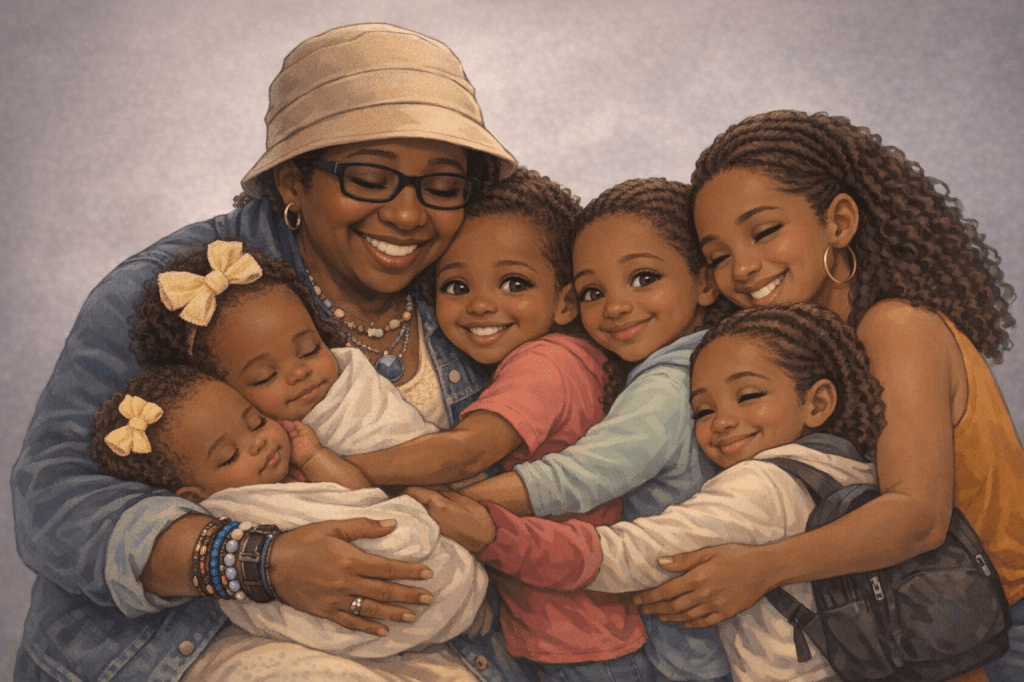
I recognized that I have always been assertive and unafraid to engage with people because I have always seen us all as beautiful little people who belong here.
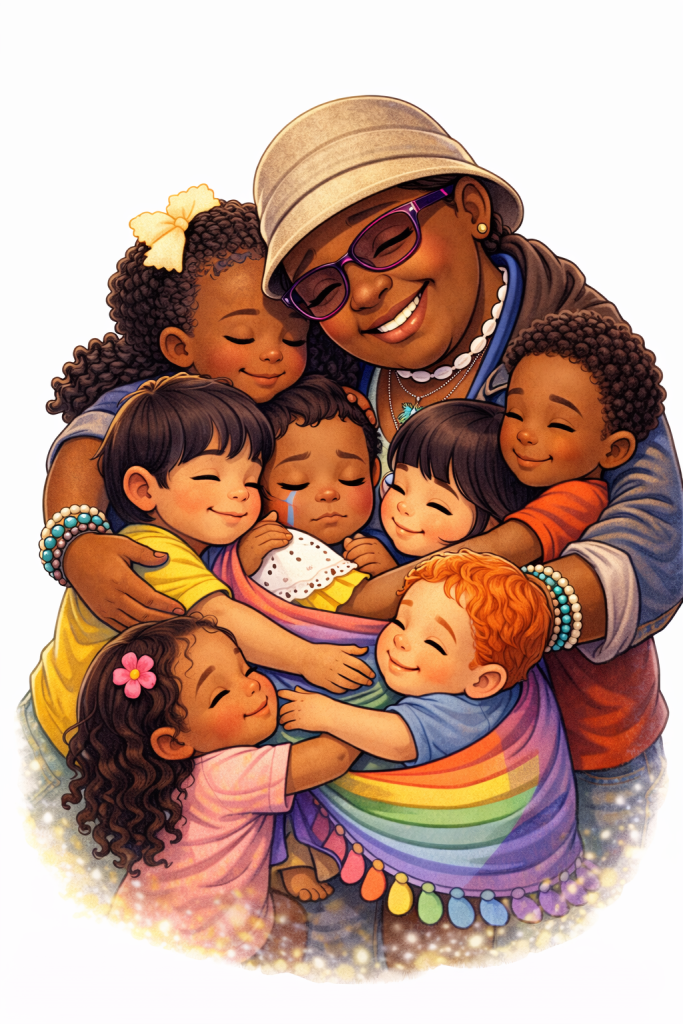
For a while I struggled with fear about whether or not we all really belong. I struggled to believe that I belonged. And one day several years ago as I was meditating, I saw a vision of my little self lying terrified in the dark. As I looked at baby me, the Spirit said: “You know exactly what to do with that baby.” All of me smiled as I recognized that I absolutely knew. I picked her up and hugged her.
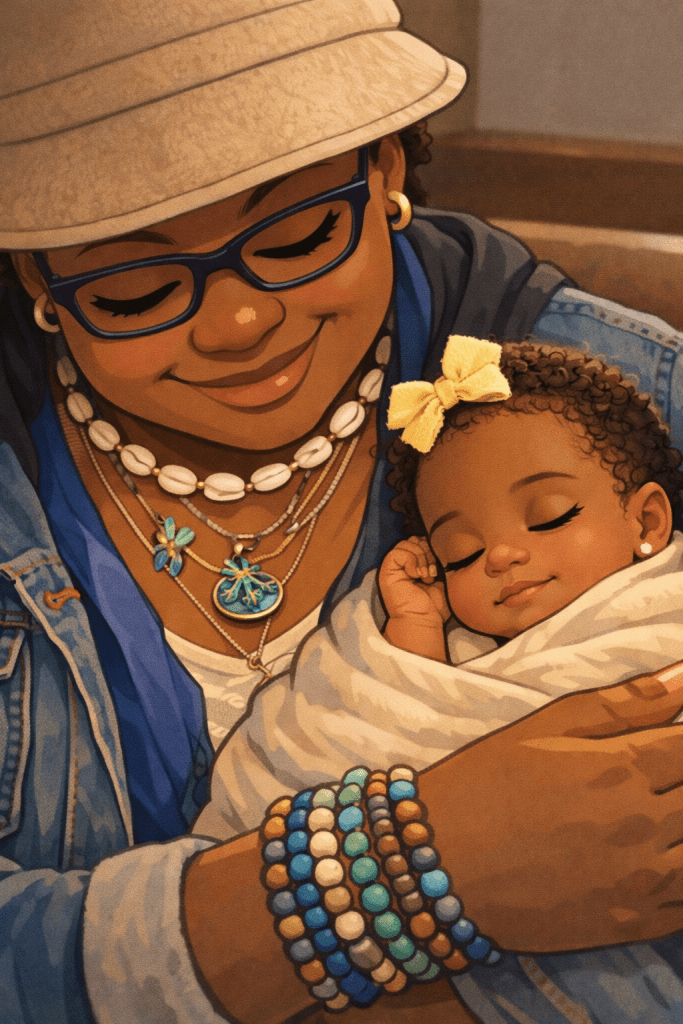
That is how I see us. I see the terrified little one in all of us, and in my heart I do pick us up and hug us.
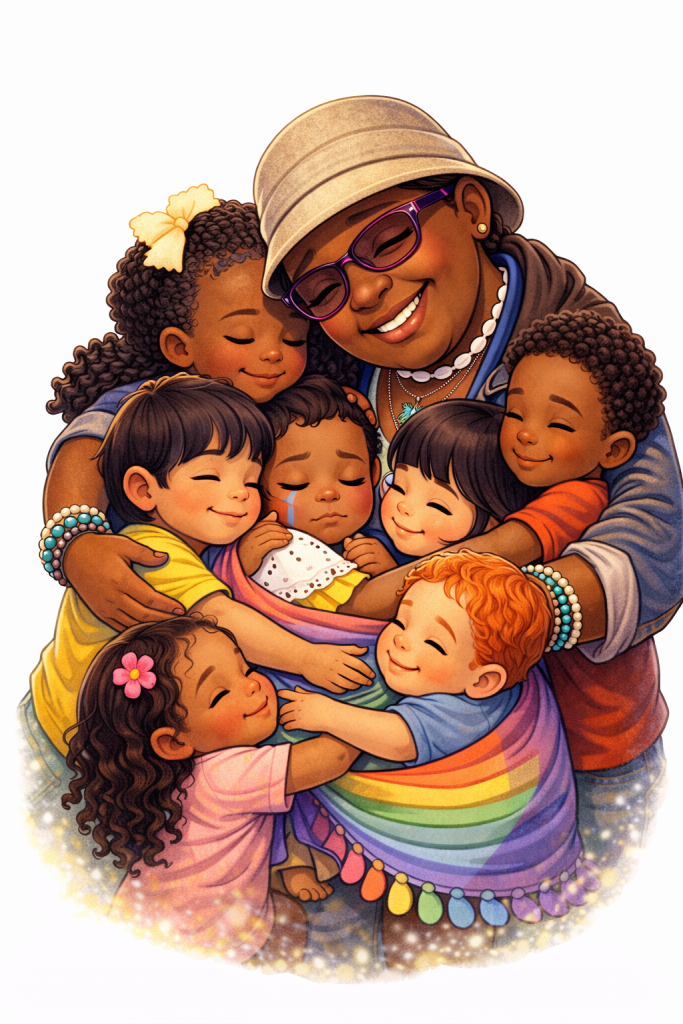
And as I continue to observe the world I realize that we have been immersed in some ideas that have affected our ability to be together in real love.
I have heard it said that the enemy of one’s enemy is one’s friend.
This idea has shaped many of our alliances, our politics, and even our relationships. We often bond through shared opposition rather than through shared love.
But Jesus said something very different.
Love your enemies.
Bless those that hurt you.
Pray for those who despitefully use you.
At first this teaching seemed almost impossible. How could anyone genuinely love those who cause harm?
Over time, however, I began to notice something difficult and humbling.
I have learned that I hurt myself and despitefully use myself more than anyone else ever has—and God keeps guiding me through accountability with myself for this.
And it was on that gentle journey of accountability that I began to learn to love.
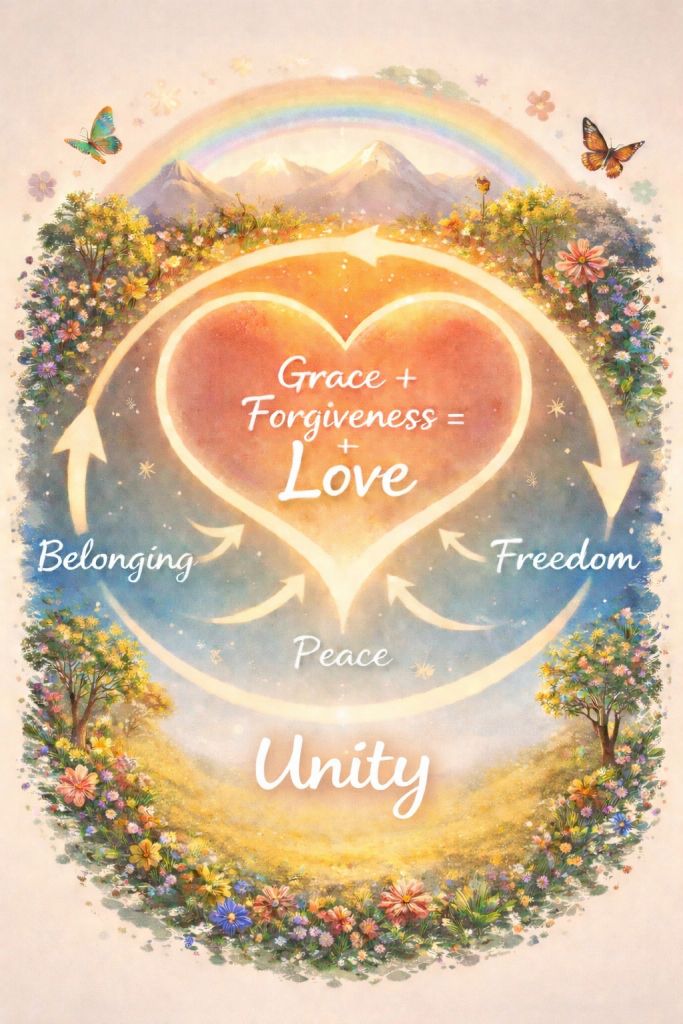
This growing me forgave and gave grace and comfort to all the younger versions of myself—from birth to this present day.
I learned that more than anything else I needed to forgive myself for the ways that I had harmed the younger versions of myself.
I needed to give myself the grace to continue to belong, because now I know that I did not know then what I know now.
It was on that gentle journey that I began to see that defensive-loyalty had been very often misrepresented as love.
I learned that love does not pretend that harm did not happen.
Love protects with wisdom.
I learned that love does not turn away from injustice.
Love gently and boldly speaks the truth.
I learned that love is the willingness to look honestly at oneself without feeling shame.
I learned that love knows, embraces, and welcomes the opportunity to emerge as a new creation with truth learned and justice installed as often as is needed — seventy times seven.
Because on that journey the Holy Spirit taught me two primary skills:
1. To accept being wrong.
2. To accept being perceived as wrong.
Learning both of these skills was difficult, because accepting that I might be wrong required courage and openness. I had to consent to allowing God to prune aggression from assertiveness.
Accepting that I might be perceived as wrong required something even deeper. I had to learn to remain open and peaceful even when misunderstood.
Then the Spirit taught me something even more freeing.
They taught me how to listen.
To listen I had to choose to stay in — rather than run away from uncomfortable conversations and processes.
Through listening, I began to learn what was right—not through shame, but through curiosity and grace.
For much of my life I had believed that accountability would lead to condemnation. Instead, it led to something completely different.
As I experienced God’s grace and forgiveness through the process of accountability, God gained my trust, and became my best friend.
And that is where I began to understand what it means to love the Lord my God with all my heart, soul, mind, and strength.
There I learned to love myself.
And from there I began to learn to love my neighbour as myself.
Because when shame, defensiveness, anxiety, fear and similar emotions and states of being are filtered out of our lived experiences and replaced with awareness, clarity, hope, discernment and similar emotions and states of being we become open to learning. And when we become open to learning the growth of love in and between us becomes possible.
And it was there that I began to understand the difference between being a co-shepherd and being a hireling who is unconsciously focused on personal glory and reward instead of on the good way of mutual profit and care.
A hireling protects reputation.
A co-shepherd protects people.
A hireling invests in being right.
A co-shepherd invests in healing.
And in that realization I finally understood something that had once confused me.
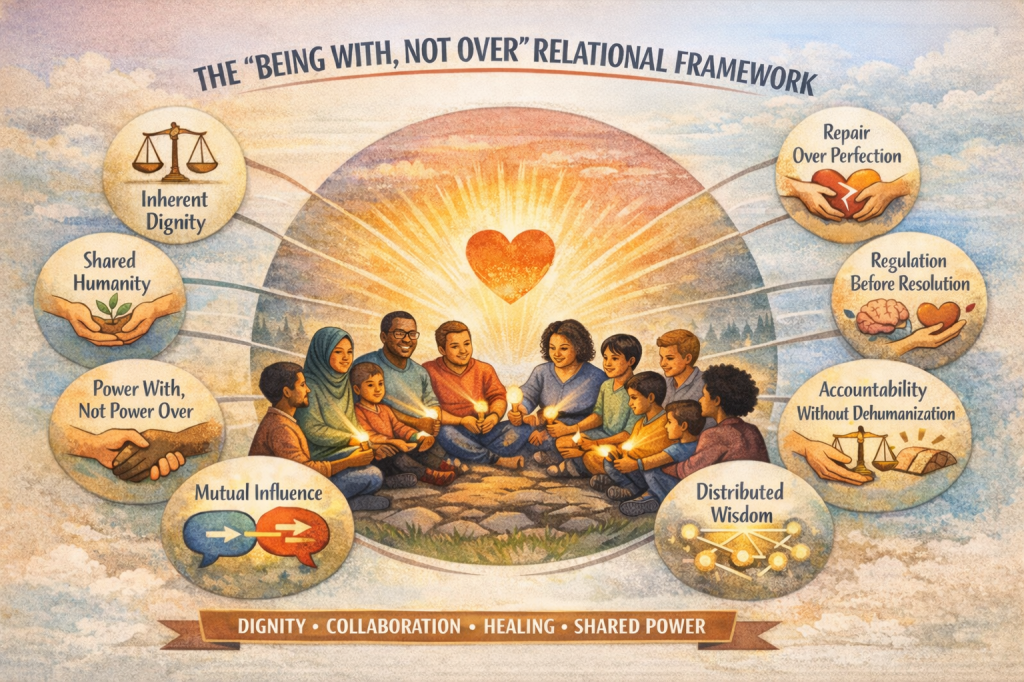
I understood how deeply damaging it is for us as fallible human beings, as individuals, as countries, systems, or organizations—to claim to be the truth or claim to know all truth.
Truth is something we grow toward together through humility, listening, correction, and grace.
Anyone who claims ownership of truth will eventually begin protecting their authority instead of protecting people.
But when we approach truth as learners—when we allow ourselves to be corrected without shame—we become something else entirely.
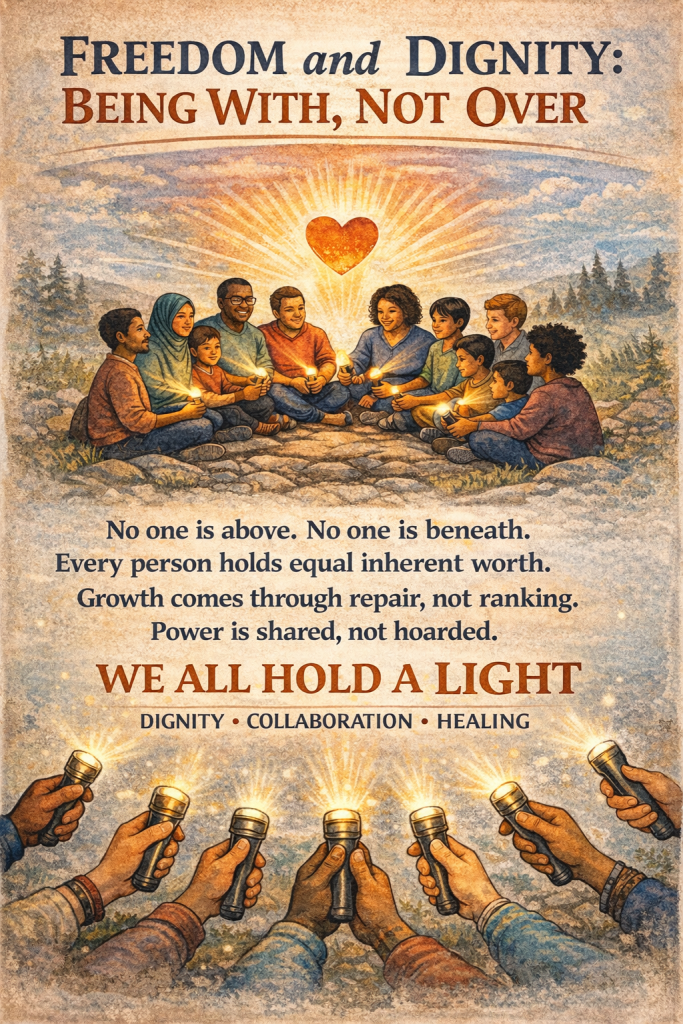
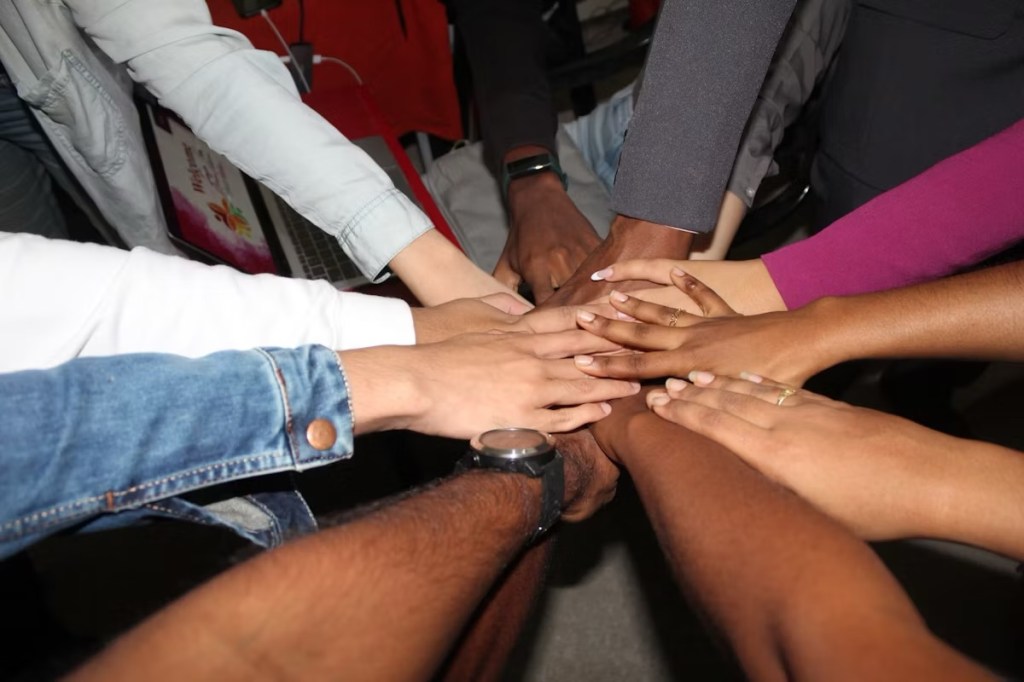
We become neighbours.
We become friends.
We become co-shepherds who hold space for others to join us on the journey to the green pastures of love.
And along that journey may we begin to see what we may have forgotten before. Inside of each of us is still a small child who only needs someone to pick them up and assure them that they belong here.
We’ve got this. We know exactly what those little ones need.
We need to allow the One who is all love to pick us up and welcome us with a hug.





 Nurturing Kindred