Author Archives: Saran - meaning: Joy, refuge, sanctuary

Unknown's avatar

About Saran - meaning: Joy, refuge, sanctuary

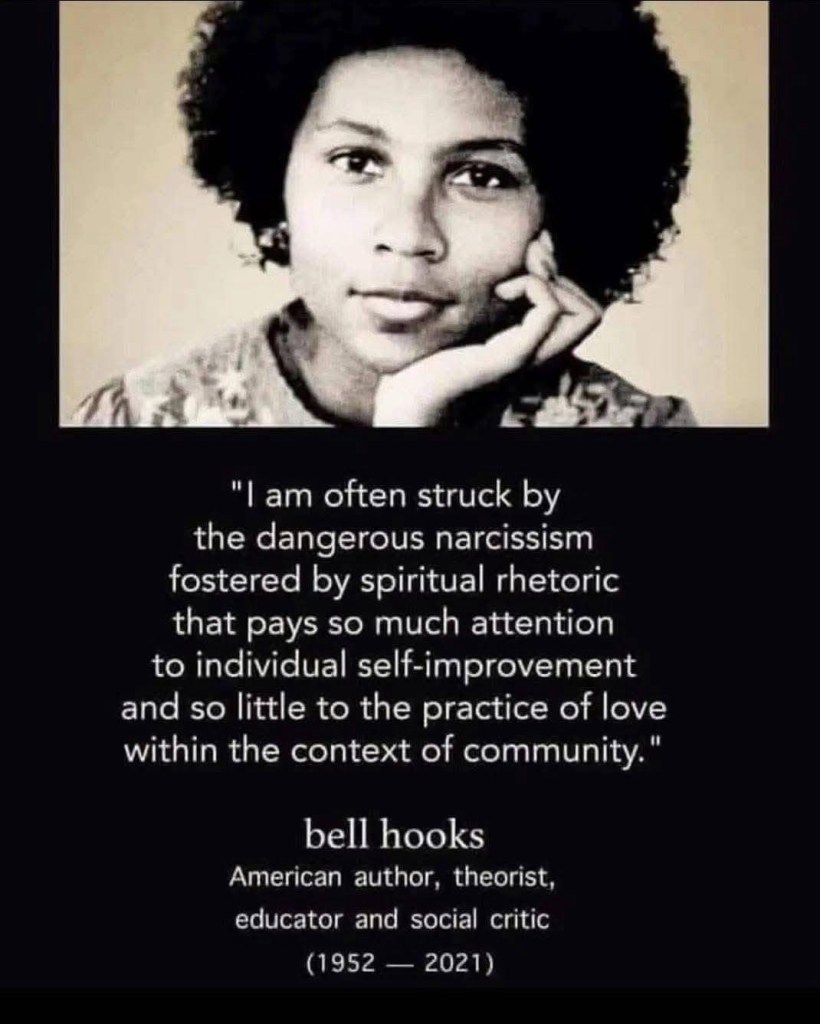
I have found love, and I live to share it. I have lived through and spoken peace to many big storms, and life has been beautiful. I believe that our individual stories are important building blocks in the beautiful communities that life was meant to be. For it is only when we share our stories, with deep compassion first for ourselves and then for each other, that we recognize that we are not alone, we are not very different, we are and have always been very much the same at the core - souls seeking to shine and enjoy the light of all others as we move through this human experience: “We’re only human and we’re looking for love... Human by Her Brothers. “ I believe in love, in the pure love modelled by Divine I AM, which is expressed in myriad ways, and in all ways is always perfect. https://youtu.be/KxluyC3JdCQ

My Best Friend’s Challenge For Me As a Mama

We are called to reason with our children as God reasons with us.

God is my best friend. They’ve been with me from day one. And as I grew to know them more we became besties.

My bestie started really levelling up our reasoning sessions about how I was showing up as a parent.

They started out by inviting me to slow down enough to see that my actions weren’t congruent with my hope and intentions to build a healthy productive relationship with my children so that we might become a unit that embodied mutuality, cooperation, innovation and love.

Once I actually slowed down to observe I realized that God was right. All three of them. Creator, Son, and Nurturer – Father, Brother, Mother.

And here is where I am today. This is what I am learning:

So often, as parents, we unconsciously set two standards:
• For children: They must tolerate our moods, our authority, our corrections—even when we are tired, impatient, or inconsistent.
• For ourselves: We give ourselves permission not to tolerate certain things from them—whining, mistakes, anger, “attitude.”

It creates an imbalance: children are expected to absorb far more from us than we are willing to absorb from them.

God’s Challenge

The Spirit invited me to re-examine this imbalance:
• What if our children deserve the same patience, gentleness, and endurance that we hope for from them?
• What if love in parenting means modeling the tolerance and compassion that we want them to practice toward us?

It doesn’t erase boundaries or guidance: as parents we still carry the role of guiding, protecting, and teaching, but it shifts the posture from control to mutual love under God’s authority, not ours.

A Mirror of God’s Love

This challenge reflects God’s own way with us. God doesn’t demand that we tolerate Their mood swings. They don’t have any. They maturely maintain balance. They don’t swing wildly because They don’t blame or shame. They reflect, assess, and progress and meet our immaturity with mercy, correction with patience, and guidance with grace.

Parenting in God’s image means moving toward that same balance: holding boundaries, and not expecting from our children what we aren’t willing to give back in return.

Reflection Questions:

• Where do I expect more tolerance from my children than I give to them?
• How do I respond when my child is overwhelmed? Do I allow myself the same space when I am overwhelmed?
• What do I believe God’s patience with me looks like? How can I mirror that for my children?
• What would change in my family if I practiced the same compassion I long for in my hardest moments?
• Am I teaching endurance, gentleness, and forgiveness by example—or only by demand?

  1. Daily Practices

Morning Prayer/Intention

“God of mercy, teach me to guide my children the way you guide me—with patience, compassion, and truth. Let love be my standard today.”

  1. Pause-and-Mirror

When frustration rises:
• Pause.
• Ask: Would I want to be treated this way if I were the child?
• Adjust tone, posture, or words before responding.

  1. Communicate With Mutual Respect

Daily Mini-Practice: Communicate With Mutual Respect

When something difficult comes up with your child, try this 3-step rhythm:

A. Listen First

Pause before responding. Give your child at least 30 seconds to finish their thought without interruption.
Really listen—train your mind not to rebut or debate, just listen.

“I hear you. Tell me more.”

B. Reflect and Name

Acknowledge their feeling or perspective before moving to correction.
As Gordon Neufeld reminds us: “We connect before we direct.”

“It sounds like you’re feeling left out.”

C. Respond with Boundaries and Respect

Hold your authority gently, not harshly.

“I hear that you are frustrated. We can be both frustrated and kind. I’m okay with waiting so that we can get to calm together.”

• Work on calming together if/when they are able.
• It’s okay to wait. It’s okay to give as much time as needed.
• Exercise your patience muscle.

Then, when calm:

“Let’s find a way forward together.”

Remember that we grow community with informed compassion.

What do we know?
Our children’s central nervous system is still developing.

They have had experiences that have activated survival skills instead of communication/thriving skills

We can be the calming component to their storm with patience, kindness, gentleness, gratitude, grace, and hope – with emotions as messengers not as motors.

Emotions are messengers, not motors. They are signals that guide us toward deeper connection, not engines that should drive us into conflict.

This is the challenge God—my best friend—has placed before me as a mama. And it is the challenge I now place gently before you.

Nurturing Kindred: Family in Community

our VALUES

🦋 Compassion with Boundaries

We practice love that is gentle and truthful, holding space without losing ourselves.

🦋 Belonging & Inclusion

We create and nurture spaces where every voice is valued, dignity is honoured, and diversity is embraced as strength.

🦋 Empowerment

We walk alongside one another, cultivating courage, healing, and freedom to live authentically.

🦋 Justice & Reciprocity

We act with integrity, with awareness of the shadows of supremacy, learned helplessness and learned arrogance, and we honour the elevation of mental and emotional safety, mutual care and accountability.

🦋 Wholeness & Well-being

We tend to mind, body, spirit, and community, remembering that flourishing is not solitary but shared.


our MISSION

Cultivating spaces of inclusion with love, truth, and mutual care where healing and wholeness can flourish through community, accountability, and pure, unlimited freedom


our VISION

A world where every person is seen, known, and nurtured in love — thriving together in strong, just, and compassionate communities.


our MOTTO

We build relationships with informed compassion: rooted in love, integrity, accountability, respect, collaboration, hope, and possibility.


What We Do

Nurturing Kindred is a community-driven initiative dedicated to building healthy connections and resilience.

We provide:

• Peer-support groups for single moms, youth, and racialized women

• Advocacy and guidance for navigating systems with dignity

• Support to connect with resources that help develop emotion regulation and healthy relationship skills

• Guidance in practicing informed compassion, accountability, integrity, and collaboration

We also offer one-on-one peer sessions, where those with shared lived experience hold space for you to be seen, known, and heard. Together, we build confidence in amplifying your voice and telling your story, always listening with respect and honour for your innate wisdom.

Peace Be Still: Healing, Accountability, and Family in the Storm

This morning, September 13, 2025, in my waking God-connection time, I was in Luke 8:19–39. And it felt as though God was reading my own story back to me.


In these verses, Jesus redefines family. He calms the storm. He heals the man filled with demons and then sends him home to testify. And as I read, I realized I was being invited to see my own seven-year journey reflected in his actions.


For more than seven years, I have carried a storm inside me—moving through grief, forgiveness, reconciliation, and many attempts at resolution. I tried again and again to handle it quietly, to protect the honour of those involved, and to find peace without bringing the full weight of it to others.


But storms do not disappear by silence. And Jesus never told us to stay quiet in the storm.


Anchors in the Storm

God often gives us small reminders of his presence, anchors that help us hold steady when life feels overwhelming.


Along the way, God gave me little anchors that reminded me to breathe and keep going:

 • A butterfly, reminding me that transformation takes time.

 • A turtle, reminding me that perseverance wins the race.

 • A starfish, reminding me that even one small act of care matters.

 • A heart, reminding me to take medicine  myself, and also offer medicine to others gently.

 • And a small token marked “Mom,” reminding me of family, love, nurture, protection, and belonging.


They may seem small, but when anxiety rises and my voice is likely to shake, these anchors steady me. They remind me that peace is possible, even in the middle of storms.


What Jesus Showed Me in Luke 8

Scripture does not just tell stories—it reads our stories back to us, inviting us into God’s truth.


In Luke 8, three truths leapt out to me as if Jesus himself were teaching me my own story:

 • Family is redefined: “My mother and my brothers are those who hear God’s word and obey it.” Family is not only blood; it is those who choose obedience to love. Family in Christ is marked by humility without hierarchy—by people walking side by side as equals in God’s love. With all as truly ordinary people – none above the other.

 • The storm requires a voice: When the storm raged on the lake, Jesus did not stay silent. He stood and rebuked the wind and the waves. Silence would have let the storm drown them. Speaking boldly for restoration and peace brought calm.

 • Healing becomes testimony: When the man was freed from demons, he begged to follow Jesus. But Jesus told him: “Go back to your family and tell them what God has done for you.” Healing was not only for him—it became testimony.


And in that moment, I was reassured: silence was not a viable an option for healing and restoration: Jesus directed testimony to the whole church as step three, and so although it was uncomfortable it was necessary.


Seven Years of Waiting

Sometimes God calls us to wait—not because he is absent, but because timing matters for healing to take root.


For years, I wrestled with timing. My therapist once told me my anxiety about time was holding me back. I wanted resolution quickly. But I had to learn that what is conceived in the heart is not always immediately ready to be born. Like pregnancy, it must grow until the moment of birth.


For seven years, I kept trying in private. I was like the disciples in the boat—bailing water, panicked, asking God, “Are you with me, or am I going to drown?” Then in February of this year, I finally sensed God saying: Now is the time. Speak peace the way I showed you in Matthew 18.


The Meeting That Changed Everything

And so in February of this year I began the process of accountability and restoration following the steps that Jesus recommended in Matthew 18. I sang and prayed and went often to my special place with God, fire, and water for restoration of peace as I moved through the steps of confrontation.


The eye of some storms reveal themselves in a single conversation, in that place where truth collides with denial and the full burden of avoidant silence is revealed. This was so for me.


After years of avoidant silence from leadership, I was finally granted one meeting, in the spring of this year, with two employees of the BC Conference, who told me that they were speaking on behalf of the local church and every level of administration above it.


I went into that meeting still hoping for a path forward, still believing that family—even in its brokenness—could find healing.


But their message was clear and heavy: the only response I would ever receive would come from the legal department, whose role was to pressure me into silence. Why? Because, as they said, “character is all we have.”


To name what had happened would be to question someone’s character, and that, in their eyes, was unacceptable.


I left that meeting carrying an impossible weight. How could I seek relief for my family’s distress while also protecting the honour of others? How could the body find healing if wounds were denied and hidden?


Why Silence Could Not Remain

Silence in the face of wounds is not peace; it is fear. True peace comes when truth is spoken, wounds are acknowledged, and healing is allowed to begin.


That meeting forced me to see that avoidant silence was not faithfulness. Protecting reputations while leaving wounds unaddressed is not love—it is fear. It turns the body of Christ into dry bones, polished on the outside but lifeless within.


Jesus never avoided wounds. He touched them. Healing came when truth was faced, not when it was hidden. And so, after seven years of delay, I finally obeyed. I wrote to the church not to shame, not to divide, but to bring wounds into the light where healing could flow.


Real family—humble, Spirit-filled family—cannot be built on hierarchy and fear. It can only be built on truth, equality, and love.


Choosing to Speak

Obedience is not about perfection—it is about courage to step forward when God says, “Now.”


I admit: I delayed too long because I was afraid. Afraid of what people would think, afraid of what it would cost, afraid of losing what little stability remained. And because I delayed, the storm raged longer than it needed to. I take responsibility for that.


But once I finally spoke, peace came. Since sending that email, on Friday, I have had conversations with people who reached out and shared their pain. Healing came. Possibility became visible for them. And I discovered again that accountability is not exposure. It is restoration. It is the Spirit of God breathing life into dry bones.

Like the man among the Gerasenes, I am grateful that I can testify with love that is honest and honours and protects: healing is possible, peace is possible, accountability is possible.


Family, Rebuilt

A church is not family because it says so—it is family when it lives so, without supremacy, with openness in humility and love – with hierarchy that is only about being responsible for safety.


True family is not held together by appearances or by reputation. It is formed when we hear God’s word and obey it—when we live not as people who would like to be family, but as those who actually choose to show up and live as family.


That is the future I hold onto: a body where wounds are acknowledged and tended, where leaders and members alike embrace humility without hierarchy, and where love—not fear—leads.


That is what I am building with those who are interested in building too.


And so I bless us, with patience. With love. With solidarity. And with the faith that the dry bones will live, because Jesus is still speaking peace to storms. And He has given us the authority to stand with faith and courage and command peace to reign as we share our stories.


Reflective Invitation

As you finish reading, I invite you to pause and ask yourself:

 1. Where are the storms in your own life, family, or community? Are you tempted to stay silent, and what would it look like to speak peace instead?

 2. What anchors has God placed in your path? The butterfly, the turtle, the starfish—what simple reminders steady you when fear rises?

 3. What would humility without supremacy, but with a hierarchy of responsibility for safety look like in your relationships or communities? How might equality in Christ transform the way you give and receive love?

 4. What testimony are you carrying? Like the man in Luke 8, what healing have you experienced that you are being called to share with others?

Take a moment to sit with these questions. Write, pray, or speak them aloud if you can. Healing becomes testimony when it is shared—and your testimony, too, can become peace for someone else’s storm.

Speaking: Peace be still

Hoping That Dry Bones Will Live

I had been struggling to find the words and the way to move through the painful process of seeking restitution, relief, revival, redemption, and reconciliation for the last seven years.

In an attempt to keep gossip and conflict from the wider body of the congregation I had attempted to dialogue with the individual, then with the administration of the denomination and the church. Because protecting the person from harm even though we have been harmed mattered to me.

God kept prompting me to write the email that had been sitting unwritten in drafts for quite some time. I kept delaying – telling God that I had no idea how to say it all in the best possible way. He kept promising me that if I began He would have the words flow through me. I hesitated and hesitated and composed beginnings in my head for so long. I didn’t want to offend or harm anyone. I didn’t want to start a fire that might burn the house down.

This morning, Friday, September 12, 2025, as God led me to Psalm 112, I am accepting the invitation to no longer delay bringing this to this church body.

Praise the Lord!

How joyful are those who fear the Lord

and delight in obeying his commands.

Their children will be successful everywhere;

an entire generation of godly people will be blessed.

They themselves will be wealthy,

and their good deeds will last forever.

Light shines in the darkness for the godly.

They are generous, compassionate, and righteous.

Good comes to those who lend money generously

and conduct their business fairly.

Such people will not be overcome by evil.

Those who are righteous will be long remembered.

They do not fear bad news;

they confidently trust the Lord to care for them.

They are confident and fearless

and can face their foes triumphantly.

They share freely and give generously to those in need.

Their good deeds will be remembered forever.

They will have influence and honour.

Living in the community with love has always been my goal. Tending to wounds of division and nurturing the broken and the hopeful has been my passion. Learning to do this according to God’s pattern as taught by Jesus matters to me more than anything else.

My Journey of Sacrifice and Building

In 2011, as a new mom, I closed the business I had built in Surrey and moved to Aldergrove so my children could attend FVAA. It was a huge financial sacrifice, but I had been taught from childhood that Adventist schools were the safest and best choice.

I continued to serve and support the community while parenting my daughters and the foster children in my care. With their significant trauma-related needs, I sought ways to merge my passion for nurture with generating income.

By 2016/17, I began building the other level again. I had closed one business to facilitate church school and it was time to build up again—this time in response to meet a need that God highlighted for me. And I was building with others in the community who shared my vision to build a network of care around struggling families.

Someone in the church saw our venture and invited themselves in as a partner, offering their position and network as an answer to prayer. Though I was hesitant, I trusted the certainty of the others, and it seemed as if God might have opened the way, so I agreed.

The Harm

What I did not anticipate was how that invitation would instead open the door to harm. The vision we had poured our hearts into was taken over. Our labour was minimized, our voices erased, and what had been built from love and sacrifice was stolen because they had more influence and power than we had.

This decimated us emotionally and financially. It added crushing weight to an already fragile family dynamic.

A Distorted Teaching

I could not understand how this could be seen as an acceptable way of doing business until I revisited Pastor Jamieson’s sermon from March 3, 2018 (Breakthrough – Part VI).

Pastor Dave’s sermons had usually been encouraging and instructive, and were a part of the journey to my historic double-dipping rebaptism with Walter.

On March 3, 2018, in a sermon titled Breakthrough – Part VI (watch here on Vimeo), Pastor Dave began rightly—by saying that Jesus honored the widow in Mark 12. And then, almost seamlessly, he reframed the story. He slotted the widow into “Financial Crisis” (Level 1) and placed those with financial surplus into the “God-honouring Lifestyle” (Level 4).

It sounded smooth. Logical, even.

But what began as divine honour was quickly reinterpreted as human lack.

What was sacred became sad.

What was prophetic became pitiful.

In that moment, the very widow whom Jesus uplifted as the truest expression of faith was recast as trapped in crisis—less than whole, less than free, less than what “God really wants.”

Jesus never shamed her.

He never measured her gift by her purse.

He named her gift as greater than all the others.

To twist her offering into a financial tier is to distort the Kingdom itself—to align God with the wealthy and make the poor a cautionary tale. 

If Pastor Dave could make a mistake like this then it makes sense that anyone else could be influenced by this kind of mistaken teaching. Those subtly flipped ideas often create big devastating consequences. The enemy has been deceiving us in this way from the very beginning. And here we are, all wounded on Earth as a result. 

That distortion bore fruit here. We were not seen as co-labourers but as pitiful crises whose work could be taken and claimed as someone else’s “God-honouring” achievement.

The Call to Redemption

But Psalm 112 says differently:

Light shines in the darkness for the godly. Their good deeds will last forever.

This is an opportunity for the church to embody that promise, to show what accountability and integrity truly look like. My family needs tangible relief, and the church has the power to help provide it—not to erase the past, but to redeem it.

Redemption requires action.

It means acknowledging that what was taken must be restored for “loving God, loving people, and serving the world” to be more than empty words.

It means stepping into the gap where harm has been done, not only with words of comfort but with tangible action—just as my family has done for many in this community.

For years I poured out what I had, even when it cost me more than I could afford. I gave my time, my gifts, my heart, and my strength because I believed this is what it means to be the body of Christ: to carry one another’s burdens and build up instead of tearing down.

Now I am asking the church to stand in that same posture toward me and my family. Restoration is not optional. It is the heartbeat of faith.

Redemption is not abstract.

It is practical.

It is financial.

It is relational.

It is spiritual.

And for our family, it is urgent.

Our Present Reality

Leaving us with house devoured and destitute because we trusted is not within God’s heart.

I followed Matthew 18’s steps for resolving conflict. Instead of accountability, I was met with threats to silence me through legal means. Rather than pursuing truth, reputation was protected.

I recognized that they are living in fear. And vengeance is not mine, because vengeance is not for any of us to seek. Not one of us is without sin. So who would justly cast stones?  God knows the source of their fear and anxiety, and He will provide the healing and fulfillment that they need. 

So instead of taking this to court, I have chosen to pray for their redemption and appeal to you, the wider body, for help.

Our family has been left vulnerable and wounded, but not without hope. We are over $20,000 in debt.

I attempted to rebuild again with I AM With You House in 2019: Aldergrove Star coverage, April 22, 2022.

That work folded primarily because I was not meant to do it alone: it was meant to be held in community. I could not carry my children, myself, and the house alone.

Things became further complicated when I developed Long COVID in November of 2022 while serving as cook for the first Boundaries series with CIV and AOK. On the final night of that series, after co-creating with God the most amazing meal of my life, to honour and elevate the mamas and their children, I nearly collapsed as I left the kitchen. Laurie Brownlee was thankfully there to catch me and help me to my vehicle.

Even so, I pushed through, impossibly, at great cost, in survival mode. In May of 2024, in the middle of big ongoing trauma waves as my Anjali was being abused by someone with whom she had sought connection, I had to close the house.

I intended to move to Alberta to seek protection for her, since we had no protection here. And while that move helped in the height of that crisis, it was not possible to make it permanent. 

Long COVID has had a devastating impact on our family. My children have lost the mother who could and did drive over a thousand kilometres per month and sometimes almost twice as much to facilitate healing and connection for families in crisis – while still managing the day to day physical, mental, and emotional needs of the traumatized children in our home and in the community. 

And now we are in great need – abandoned by those who seem to prefer to protect reputation rather than to facilitate restoration. 

I am asking you, as the church, to step into this gap with courage and compassion. To respond not with silence, but with action. Not with dismissal, but with integrity. Not with defensiveness, but with the generosity and justice that reflect the heart of God.

The SDA administration responded first with absolute silence, and then with a message in person from one of their employees, that the only response I would ever receive would be from their legal department. Seeing years before that this was the way of the denomination, as I studied how oppression had been handled over the generations of Adventism I was already separated from the denominational books – while remaining a part of the community even before I began to actively seek accountability directly with the individual in February of this year. 

The corporate denomination is not Adventism. This body of seekers of love which extends beyond global borders is the Adventist community. 

And so I reach out to you as the part of the body to which I was connected and with whom I served faithfully for almost twenty years. 

I applied for Disability Assistance in July of 2024 and was finally fully approved this March. I had to fight through that process. I now receive $1,535.50 per month, while rent alone is $1,700 plus utilities. I have done Uber Eats deliveries to make the financial gap smaller, but with Long COVID and upcoming recertification as a Social Service and Community Health Worker (starting September 29, 2025), even that will no longer be possible.

Our very basics—housing and food—are deeply insecure.

How You Can Help

If you can help, please e-transfer to adianneka@gmail.com or contact me directly at 236-514-4491.

In this deep dark valley I have been writing poems and essays and prose as a part of my grieving and healing process. I am working now on having them published. 

This is my latest poem. Hopefully it encourages you as much as it encouraged me. 

And hopefully revival of the Spirit of God among us will erase the pain and eliminate all exploitation and fear, and ignite the Loveolution

Please do not ask me to name the individuals. I will not. God knows, and healing and wholeness in their hearts is a private matter between God and them. 

Why Do We Keep Trying to Cage Love?

By Saran Lewis

Why do we keep trying to cage Love?

Why?


We cage people with it.

We cage them in our doctrines, our nationalism, our rituals of control.

We claim it is holiness,

but it is fear wearing a mask.


Fear says:

“If Love is free, it will be abused.

If Love is free, it will be wasted.

If Love is free, it will expose our fragility.”


So we build cages —

and then call the cages sacred.


And then worse yet,

we set a wrathful god as guard…

patient until the day that he snaps

and consumes the disobedient in a blaze of final rage.


When has that ever been

whom Yeshua showed Him to be??


The God Yeshua Revealed

Yeshua showed us a Father who runs toward the prodigal,

not one who waits to strike.

A Shepherd who leaves the ninety-nine,

not one who burns the lost sheep.


A Neighbour who speaks no shame over the woman

who has lost her bride price,

but waits with her —

inspiring her until she finds it,

and then celebrates.

Celebrates.


A Friend who lays down His life,

not one who consumes life in anger.


Even on the cross, He revealed mercy:

“Father, forgive them,

for they know not what they do.”


This is the God He unveiled:

not a wrathful guard over cages,

but a Love that breaks them open.


The Yeshua Who Refuses Cages

He touched the leper,

skin against skin,

restoring what human hands had refused to touch.

Not from a distance, not with a word alone

but with His hand,

the warmth of His body saying, You are not untouchable.


He let the bleeding woman touch Him,

though everyone else recoiled in horror.

He didn’t flinch.

He didn’t recoil.

He called her Daughter,

naming her family in front of those who had cast her out.


He healed on the Sabbath,

not to erase the Sabbath,

but because the Sabbath was made for us —

a day meant for love, for rest, for restoration.

He would not let it become a prison.


He let His disciples pluck grain on the Sabbath,

because a day of love and rest and nourishment of connection FOR people was what mattered

not the legalistic protection of the day.

Hunger mattered more than rules,

life mattered more than appearances.


He told the story of the Samaritan on the Jericho road,

not to shame Israel,

but to show that mercy itself is the heartbeat of God.

It was the despised one who stopped,

who bent low,

who bound up the wounds and paid the cost.

That was Yeshua’s definition of holiness.


He lifted the Syro-Phoenician woman’s voice,

an outsider, a foreigner,

a mother begging for her child.

Her plea carried more faith than Israel’s gatekeepers ever imagined.

And Yeshua said so,

making sure she was heard,

making sure she was honoured.


He met the Samaritan woman at the well,

and ended the centuries-old argument about holy mountains.

“It’s not about the mountain,” He said.

“It’s about spirit and truth.”

He saw her whole story,

named her reality,

and still offered her living water.

The Heart of It All

This is the Yeshua who keeps refusing the cages.

Who keeps touching the excluded.

Who keeps teaching us that God’s Love

cannot be locked inside one religion,

one nation,

one system of supremacy.


And still 

we keep trying to cage Love.

We keep trying to chain people with it.


But Love cannot be caged.

Love keeps breaking the locks,

shattering the bars,

and walking out to touch those whom we call untouchable.


God is Love.

God is freedom.

God is covenant mercy.


And the Spirit is still speaking 

in every language,

through every outsider,

on every Emmaus road.

And while we rebuild we need your help, dear community.

Thank you.

Racism Denied, Racism Documented: Why Progress as a Healthy Community Means Facing the Truth

By Saran Lewis

I must preface what I am about to say with this clear declaration. I do not accept the colour coded identity of ANY people. Colour coding is part and parcel of the system of White Supremacy under which human beings were separated into races which facilitated the creation of racism as a tool of control for profit.

Therefore when I speak of Black and White, I am not bowing to the system, I AM inviting us to awareness of the cages in which we have been bound so that we can SET OURSELVES FREE.
  
Acknowledging racism (or any other form of supremacy) does not weaken a community. Denying it does.

Real progress comes when leaders, neighbours, and institutions have the courage to face what is real: that we are equal in human worth and capacity, but not equally or ethically resourced or supported.

To move forward as a healthy community, we must not only refuse the myths of White Saviourism and Black Helplessness —we must also confront the shadows of superiority and inferiority, dominance and subordination, dismantling the structures that keep resources, relationships and opportunities inequitably balanced.

When we can finally do this we will be free, and only then can we begin to live the divine dream of building communities founded on wholeness, worthiness, authenticity, love, and belonging.

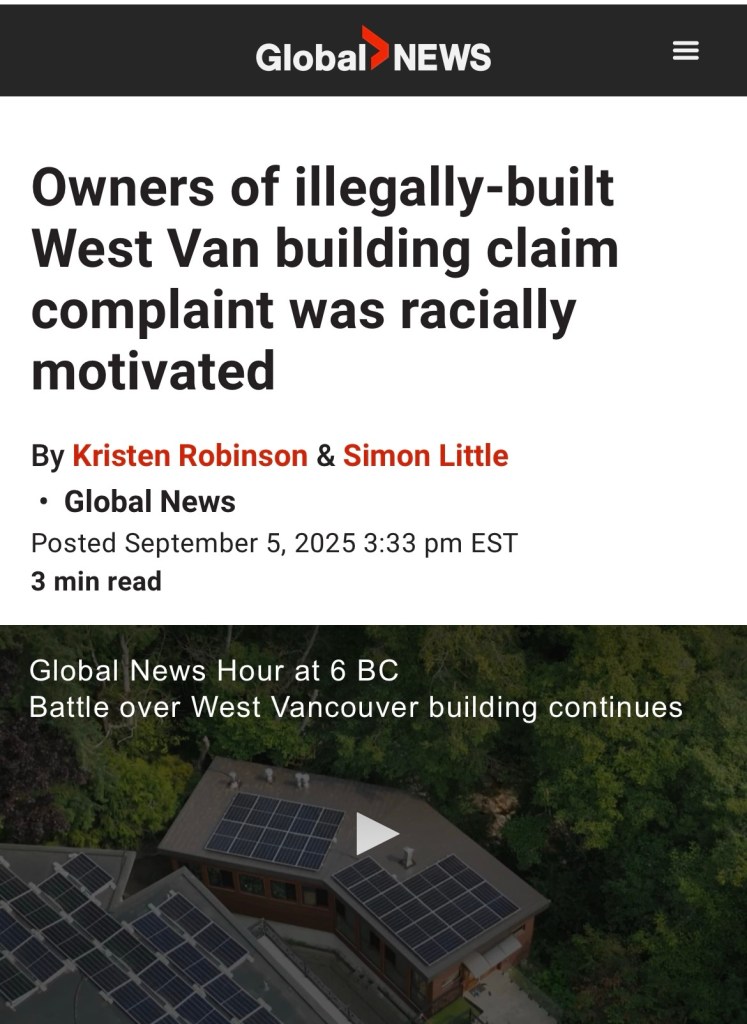
West Vancouver Mayor Mark Sager recently rejected the idea that a bylaw complaint against the owners of a multi-million-dollar home was racially motivated. “I would not buy that for a moment,” he told reporters.

But the homeowners had received an anonymous letter stating:

“Think of this as a lesson in what you can expect if you continue to live here. OR – go back to where you came from. You are not special, you are just like the rest of us, even though your God is greed.”

If that isn’t racism, what is?

The Cost of Denial

The issue is not only the letter. It is the way institutions and individuals reflexively minimize, deflect, or rationalize racism, as if acknowledging it were more dangerous than the harm racism itself inflicts. For those of us living in skin rich with melanin, this is nothing new. The exhaustion comes not just from racist incidents themselves but from the denial layered on top of them.

The Continuity of Harm

Being told to “go back to where you came from” carries the same weight as being called “nigger.” It is also the same as hearing a less-melanin-rich friend claim that African-American community leaders were always corrupt and incapable of managing funds—implying that White “saviour” managers were needed to control community resources.

The irony is sharp: Euro-American politicians and institutions have hardly been models of financial integrity. Yet the assumption of superiority persists.

The System Beneath It

These ideas are not random. They are the fruit of White Supremacy, which:

😔found African ingenuity and skill invaluable for centuries of forced labour to build White wealth.

😔dehumanized those same Afro-descended human beings and their descendants as inferior, despite their proven capacity, endurance, and creativity.

😔conditioned White society to expect compliance from Afro-descended people while labeling any demand for equality as arrogance punishable by death. Death of the body through lynching or torture, or death of relationship and connection, or death of reputation and character through gossip. No matter what form that death would take, it must involve the infliction of severe pain as punishment.

And so today, when people of colour clearly declare themselves capable equals—though not equally resourced and supported—and refuse the hero narrative, the myth of White Saviourism is shaken.

For some White neighbours and friends, this does not bring relief or joy but anxious anger. Afro-descended friends also experience anxious anger when one of their own rises to declare themselves capable equals. Internalized narratives of dominance and subordination run deep.

Equality disrupts the myth of White Saviourism, and the anxious anger is proof.

Expansion on “Anxious Anger as Proof”

That anxious anger is proof. Proof that the narrative of superiority and inferiority was never secure. Proof that the system has depended on compliance and deference to maintain its illusion.

Proof that equality is not simply a moral claim but a direct threat to the false comfort of dominance and subordination.

This speaks directly to Carter G. Woodson’s Mis-Education of the Negro. Woodson described how systems of oppression condition the oppressed to police themselves, to stay in the “place” designed for them. He wrote that if you control a person’s thinking, you don’t have to worry about their actions; they will seek the back door themselves. And if no back door exists, their conditioning will demand one be built.

Anxiety arises because the ground shifts: if communities of colour are not inferior and dependent, then White identity can no longer rest on the role of rescuer, manager, or hero, and Black survival is no longer secure and attached to deference.

Anxious anger arises because loss of control and lack of security feel like loss of identity, even when both are shadows, neither of which truly defined the healthy symbiotic reality through which humanity was intended to thrive.

The Shadows of Supremacy

Superiority

Anxious anger connected to dominance is not grounded in truth or logic. It is grounded in fear of losing unearned power. It is grounded in fear of losing superiority.

And superiority is an acquired ego shadow — a projection built over centuries to mask insecurity, justify exploitation, and maintain control. Shadows of the ego always claim more than they can hold. They are fragile, inflated identities that depend on comparison and domination rather than rootedness in love, dignity, or mutuality.

This shadow superiority convinces people that their worth rises only when others are pushed down. It distorts community into hierarchy, friendship into control, and leadership into possession. It separates the human spirit from the truth that every person is born whole, worthy, and beloved.

Spiritually, the ego shadow of superiority is a counterfeit covering. It promises safety through dominance but delivers only fear, anxiety, and anger whenever that dominance is questioned. Psychologically, it keeps individuals and societies locked in defensive postures, unable to welcome equality because equality threatens the illusion that gave them identity in the first place.

Inferiority

And there is also an inferiority shadow. This is the internalized belief, born of oppression, that one’s value must never rise at all — that one’s very existence, and even the foundation of the community, depends on staying in a subordinate place. This shadow persists regardless of education or economic success.

An Afro-descended professional can hold advanced credentials and yet feel compelled to defer, to shrink, to mute their voice in rooms where truth is needed. An entrepreneur can build wealth and still carry the gnawing belief that their achievements are fragile, conditional, or undeserved. The shadow whispers that visibility is dangerous, that confidence will be punished, and that dignity must always be negotiated against survival.

They may even teach about racism as a concept. But they cannot bring the full light of that truth to illuminate the shadows in their mixed community. The inferiority shadow tells them that naming racism too clearly will cost them belonging, credibility, or safety. It convinces them to intellectualize rather than embody, to make the truth palatable for the dominant group rather than liberating for their own.

And in this way, the inferiority shadow colludes with the superiority shadow.

The superiority shadow often hides in educated, progressive White spaces. It cloaks itself in allyship, theory, or “good intentions,” but still clings to the role of interpreter, manager, or validator. It whispers that people of colour need White mediation to make their words credible, that leadership must remain in familiar hands, that progress must be “guided” to keep everyone comfortable. It manifests in committees where diverse voices are welcomed at the table but only within boundaries set by White comfort. It shows up in policies written in the language of equity but enforced through the logic of control.

The superiority shadow convinces people that their worth is measured by how well they protect their elevated role. The inferiority shadow convinces people that their worth depends on not challenging that elevation. One insists on dominance; the other enforces submission. Together they uphold the false architecture of supremacy, even in communities that pride themselves on being enlightened.

And that is why equality so often provokes resistance. It unmasks the ego shadow and reveals how deeply society has been invested in stories of dependence and deficiency. Angry denial in the face of clear truth is not evidence that racism is “overstated.” It is evidence that racism is alive — defending itself through emotion when the miseducated logic is challenged.

Why Peer Support Matters

This is why community peer support groups are not optional—they are essential. They create spaces where people of colour can be heard, believed, and supported. Because each time a leader denies racism (or any other form of supremacy) even in the face of explicit racist words, the wound deepens.

Healing requires spaces of solidarity and truth.

A Healthier Way Forward

If West Vancouver—and any community—wants to be healthy, it must begin with honesty. Pretending that a racist letter is “not racism” only breeds mistrust and erodes the possibility of progress.

Acknowledging racism (or any other form of supremacy) does not weaken a community. Denying it does.

Real progress comes when leaders, neighbours, and institutions have the courage to face what is real: that we are equal in human worth and capacity, but not equally or ethically resourced or supported.

To move forward as a healthy community, we must not only refuse the myth of White Saviourism—we must also confront the shadows of superiority and inferiority, dominance and subordination dismantling the structures that keep resources and opportunities inequitably balanced.

When we can finally do this we will be free, and only then can we begin to live the divine dream of building communities founded on wholeness, worthiness, authenticity, love, and belonging.

Mending Community with the Purified Gold of Informed Compassion – on My Fiftieth Birthday.

One week ago, as the last week of my forty-ninth year of life began, I awoke with the term learned arrogance conceived between my heart and mind.

And as I sometimes do when something is conceived—the fullness of whose life I can already see—I rushed it into birth. Then later, as I read it, I was so frustrated at its incompleteness. I almost threw it across the room as garbage, calling it “pretentious bullshit.”

Then that still small voice stepped in and suggested that just maybe it was a beginning—not pretentious bullshit at all—especially considering that tears had been pouring from my eyes as the words streamed out of me. They came straight from my heart. And as I reviewed them again, I knew there was more.

Here now is what has developed so far. I don’t know if this is all there will be, but I do know that these precious ideas born from love, hope, and faith will somehow be part of the healing that moves humanity forward—together.

So I have been contemplating it all more today, seven days later, on my fiftieth birthday, and this is the gift that has emerged.

Learned Arrogance: The Counterpart to Learned Helplessness

As a participant and observer of life and relationships, for many years I have witnessed nuances in interactions that have been destructive to the development of successful symbiotic mutually beneficial relationships on both interpersonal, and group levels. The element of helplessness has been highlighted and so has always been obvious. There seemed to be some thing missing though – some force which was just as detrimental but not named.

Then on August 23, 2025 as I watched a social experiment meant to teach a group of students how learned helplessness occurs, I FINALLY RECOGNIZED that the experiment also revealed the alternate state to which I have been extremely sensitive. It was learned arrogance.

Learned Helplessness tells us: “My actions don’t matter, so I stop trying.”

Learned Arrogance whispers: “My actions always matter, therefore I must be more capable than those who struggle.”

Both are distortions. Both are shadows born of systemic manipulation, social hierarchies, and wounds passed down through culture and history.

Where one is crushed by barriers, the other is buoyed by supports—but the supports are mistaken for personal superiority. Together, these two states create the illusion of natural hierarchies, calcifying into supremacy: classism, racism, sexism, ableism. Entire systems are built on the interplay of these shadow-states.

As Carter G. Woodson observed: “If you teach a being that they must enter only through the back door, they will build back doors so that they may enter where no back doors exist.” The reverse is also true: teach someone they alone deserve the front door, and they will see others’ attempts to enter as violations of the order of the world.

My Journey Through Both Shadows

This is not just theory to me. It is story. It is wound. It is healing. It is my lived experience.

My first encounter with helplessness came as a baby, when my cries were not answered. My parents loved me deeply, and they cared for me in countless ways—but they had been taught by those misinformed that independence was built by ignoring a baby’s cries as long as they were fed, clean, and had some measure of connection time. They silenced their own instinct to comfort, believing it was for my good.

In that space where connection was meant for healthy psychological and emotional and in darkness which was meant for rest, both helplessness and arrogance began to grow.

  • Helplessness locked in with a sense of perceived abandonment: No one comes. I must not be worthy of being held. It’s dark. I am alone.

    Arrogance, its defensive twin, locked in with survivalist contempt:  I began to grow as is the natural process of physical development, and as I became mobile the arrogant seed sprouted: I don’t need you anyway. I will get there on my own.

And indeed, I did eventually get there—I crawled and then walk toward whomever I chose—but I arrived carrying a hidden contradiction: I am not worthy to be held, and I will be held by my own strength.

The viruses of shame, blame, and fear had already entered the system:

  • Shame: I am not worthy of being held.
  • Blame: It is your fault for not holding me.
  • Fear: I am alone. I must protect and achieve by any means necessary.

These infections of the soul formed the soil from which both helplessness and arrogance grew. Both are seeded in the brain’s earliest foundations—in the consistency or absence of responsiveness from the little one’s big people.

This is the iniquity that wounds us to the third and fourth generation.

But arrogance came to me again in adulthood.

In 2005, after watching Blood Diamond late one night with friends, I was undone. The credits rolled after midnight, but I could not sleep. Rage coursed through me at the cruelty of humanity—how wealth and luxury are built on the backs of the youngest of us, whom we should cherish and guide to maturity, and on the backs of those deliberately dehumanized and diminished in the hierarchy of socio-political caste.

I stormed toward the stairs, speaking contempt and disgust to God: How could the world still be this way? How could I have lived nearly thirty years and not been able to do anything to change it? My words burned with arrogance, with sarcastic eloquence designed to scorch hierarchy to ashes—without concern for whether the person listening might be consumed in the fire.

And then, as clearly as day, I heard:

“They that wait upon the Lord shall renew their strength. They shall mount up with wings like eagles. They shall run and not grow weary. They shall walk and not faint.”

My birthday was approaching. By conventional measures of success, I had not “arrived.” Yet in that moment I realized I was both helpless and arrogant: carrying wounds of unworthiness that told me I could not change the world, and flames of contempt that told me I alone could see clearly enough to judge it. Both shadows lived in me.

That was also the moment I began to glimpse informed compassion—not pity, not superiority, but the possibility of meeting shadows without surrendering to them.

And even then, I was not walking alone. The cloud of witnesses surrounded me—siblings of blood and siblings of spirit, ancestors of blood and ancestors of spirit. They have expanded my definition of family beyond the limits of biology or culture. Some stood right beside me in flesh and breath. Others whispered through scripture, history, or memory. Still others were strangers crossing my path just long enough to remind me that God’s withness was embodied in human touch and human words.

I would not be who I am without them. Their presence—spoken, silent, remembered, or freshly met—became part of the golden thread that bound me back to life whenever shadows tried to convince me I was alone.

Chaff as the Pillars of Supremacy

Learned helplessness and learned arrogance are not just personal distortions; they are the very pillars of supremacy. They are the husks of wheat that never nourish, yet are still consumed. Empty and weightless, they take up space where the true grain of dignity and mutuality should be feeding us.

Because they are mingled with shame and blame, these shadows blind us to themselves. We learn to say: “That’s a those people issue”—projecting arrogance outward to preserve our own innocence. Or we internalize: “I am unworthy of love, even though I experience it”—the helplessness that keeps us locked in cycles of self-doubt.

We become stuck between the arrogant idea that the shadows belong only to others and the helpless despair that we ourselves are unworthy of love. The resulting fear of loss and abandonment feeds what the world calls impostor syndrome. And impostor syndrome, at its core, is not just about performance—it is the terror that even when we are loved, we will be left.

The unholy recipe of fractured relationships is this:

  • Anxiety rooted in loss.
  • Fear rooted in abandonment.
  • Unworthiness rooted in shame.

Together, these shadows corrode trust and intimacy, creating cycles of brokenness that, unchecked, eventually lead to despair.

At the heart of this lies a dangerous theological distortion: the false teaching that God can only be with us in perfection. This subtle and dangerous shift turns the story inside out. It whispers that God resists our presence, when in truth it is we who resist God’s presence. It whispers that God withdraws when we fail, when in truth it is our fear and shame that withdraw us from God.

Supremacy is built on this lie: that worthiness must be proven, that love must be earned, that belonging can be monopolized. And as long as we consume chaff, mistaking it for wheat, the lie holds.

But wheat remains. Wheat is always there, waiting beneath the husk, ready to be ground into bread, ready to nourish life. The invitation of informed compassion is to face the shadows of chaff in ourselves—not to despise them, but to release them—and to make room for the wheat that heals and feeds.

Encountering Informed Compassion

And yet, even there—in the silence of the nursery—I was not abandoned. Though I did not know it until decades later, God was with me. The divine withness did not erase the darkness but refused to leave me within it. That presence became my first glimpse of what I would one day call informed compassion.

Informed compassion is not pity, nor is it sentimental kindness. It is the clear-eyed recognition that both helplessness and arrogance live in us all—twisted responses to joy and sorrow, love and cruelty, connection and abandonment.

It sees that light and darkness themselves are not the problem—joy and sadness are simply the day and the night of our humanity. The problem is the shadows—hatred, contempt, disgust, fear—born of evil’s distortions. Shadows that harden into helplessness or arrogance, stealing peace and fracturing relationships.

Informed compassion names these shadows without fear. It refuses the lie of hierarchy. It restores agency where it has been buried and limits where it has been inflated. It is the molten gold thread strong enough to mend community. It is the hand that separates wheat from chaff—not to discard what is human, but to make room for what can truly nourish.

Purified Gold

When, at last, we turn toward the God who has waited for us in the darkness, we find healing offered not just for ourselves but for generations. What was once wounding iniquity—passed down like a curse—becomes, in divine hands, a blessing extended to a thousand generations.

This healing is like kintsugi: wounds once gaping are now traced with purified gold. The gold is not abstract—it is purified in the fire of lived experience, filtered through love, poured as molten mercy into the fractures of the soul. This is the wheat that nourishes after chaff has blown away. This is the molten gold thread of informed compassion.

As I am now here at my fiftieth birthday, I no longer measure success by contrived standards. I measure it by peace—peace that could only come as God continues to heal the wounds of both helplessness and arrogance.

Therefore, every day, I choose life.

I choose to live by the purified gold of informed compassion. I choose to believe that community can be mended—not by denying our shadows, but by facing them, naming them, separating wheat from chaff, and letting them be transfigured into light. I choose to embrace the day and the night—the days of joy and the nights of grief—movement and rest that lead together to life, to reconciliation, to progress as a community mended with the molten golden thread of informed compassion.

Will you choose life and honesty too?

This is what the Church in the Valley community sang over me as I renewed my covenant with God several years ago, in a truly historic baptism with Walter and I moving through it until we got it right. It was perfect. I believe that that event was an example of how we can and often DO wrestle together with love AND God.
I imagine that the cloud of witnesses shined brilliantly that day as heaven celebrated with us all. Happy 50th birthday to me. May we wrestle with love, trust, and confidence.
I love you.

I love LIVING!!

Restoring Community With The Golden Thread of Informed Compassion (facing the shadows of arrogance and helplessness)

August 24, 2025

Dear you,

As a participant and observer of life and relationships, I have long witnessed subtle dynamics in interactions that corrode the possibility of truly symbiotic, mutually beneficial relationships—whether at the interpersonal or group level.

Then yesterday, on August 23, 2025, as I watched a video which randomly appeared on my timeline—a social experiment designed to demonstrate how learned helplessness develops (https://youtu.be/gFmFOmprTt0?si=zsuZ7l5rqVDBD3uh) —I finally identified the alternate state to which I have been acutely sensitive for years: learned arrogance.

🦋

What is Learned Arrogance?

Learned Arrogance

A psychological and social state in which an individual or group, consistently supported in their ability to control outcomes, unconsciously develops a belief in their superior competence.

This belief arises as one observes others experiencing learned helplessness—where agency has been eroded through systemic barriers, trauma, or artificially limited control. Over time, the supported party internalizes a sense of comparative superiority and continues to act from this belief even when evidence of equal or greater competence is present.

🦋

Key Features

• Mirror dynamic: Emerges as the opposite pole of learned helplessness.

• Reinforcement: Social structures and privileges reinforce the illusion of greater ability.

• Persistence: The mindset endures despite contradictory evidence.

• Impact: Maintains hierarchies, justifies inequity, and normalizes supremacy (e.g., classism, racism, ableism).

🦋

The Duality

• Learned helplessness: “My actions don’t matter, so I stop trying.”

• Learned arrogance: “My actions always matter, therefore I must be more capable than those who struggle.”

Both are distortions of reality, shaped and reinforced by systemic conditions.

Whole belief systems are built upon the interplay of these two premises. Their impact extends across every type of relationship in which artificially manipulated social constructs assign superiority to some and inferiority to others—whether among humans or animals.

This is the bedrock of supremacy.

🦋

Illustrative Outcomes

As Carter G. Woodson observed: “If you teach a being that they must enter only through the back door, they will build back doors so that they may enter where no back doors exist.”

The reverse also holds true: If you teach a being that only they may enter through the front door, they will regard all others who attempt entry as interlopers and will feel unconsciously compelled to correct this so-called existential error.

🦋

The Antidote: Informed Compassion

The antidote to both learned helplessness and learned arrogance is informed compassion.

Informed compassion is the psychological state in which one becomes conscious that agency itself can be either inflated or eroded by manipulated social norms—and also recognizes that these states typically co-exist within us all. It is the willingness to face both learned helplessness and learned arrogance in oneself.

From this awareness comes recognition that individuals and groups have unconsciously built multiple hierarchical structures which prevent authentic mutuality. Out of this recognition emerges the possibility of dismantling false hierarchies and building nurturing relationships that honour the dignity and agency of all.

This has been my lived experience.

The realization began when I was unintentionally neglected as I cried by parents who loved me deeply, and actively cared for me with conscious and unconscious competence in every way but one. They, doing as they had been instructed, silenced the gut instinct to pick up and stay with their crying baby. But God came to me in the darkness of aloneness, and stayed with me.

I did not become consciously aware until about five years ago, during meditation, that the presence of God was so dearly close to me as I was terrified in the darkness which seemed to separate me from all others, though they were only resting.

The consciousness of the divine with-ness of God was deepened as I accepted Their invitation to get to know Who They really are through observation and interaction with Yeshua M’shikha.

Leaning more deeply into that invitation came one evening in 2005, after I watched Blood Diamond with friends who were a part of my broadened definition of family.

We had finished the film at almost two o’clock in the morning. They went to bed, unaware that I had been hiding an increasing seething searing rage —at how cruel humans could be to each other; at how wealth, luxury, and power were built on the backs of the youngest of us, whom we should be cherishing and guiding to maturity; and on the backs of those deliberately dehumanized and diminished in the hierarchy of socio-political caste.

I was so angry that I had aged this far in life and was still not in a position to be able to do anything to significantly shift that unjust dynamic. I was headed toward the stairs, speaking outrage and contempt and disgust and disappointment to God, when as clearly as day I heard:

“But those who wait upon the Lord shall renew their wings. They shall mount up on wings like eagles. They shall run and not grow weary. They shall walk and shall not faint.”

My birthday was approaching. I was almost thirty years old, and by traditional markers of success I had not “arrived.”

And yet, I felt powerful and competent and capable and successful—not arrogant but content. I was living with friends who felt like family. I was nurturing and loving people every day—cooking and feeding hearts, minds, and bodies. I was engaging in dialogue that challenged systemic norms. I was observing multiple attempts to build wealth and influence in community.

And I was also arrogant. Disgusted by hierarchy and harm, I pointed it out with sarcastic eloquence meant to burn arrogance to ashes—without concern for the person who might, at worst, be consumed or, at least, scarred by my words.

Within minutes of hearing God’s voice, I bumped into the little sister, Cece, who had also been up worrying about relationships. God’s message comforted her then too. 

Although that message and the eagles featured in it has consistently been a comfort and source of encouragement throughout my life, it was only about six weeks ago that I finally understood that God was calling me to be patient, and with that patience, to also be gentle, and kind, joyful, peaceful, good, with integrity also called self-control. 

And now, as I approach my fiftieth birthday a few days short of two decades later, I cannot deeply enough express gratitude for all of you, the cloud of innumerable witnesses who have been with me through the darkness which felt as if it separated me from all others when it truly did not.

So today, exactly one week before my fiftieth birthday, when by the same contrived sociological standards I might have thought myself unsuccessful, I rest in the certainty of the power of informed compassion within me—grateful that God continues to heal the wounds of both arrogance and helplessness, which are the root of anxiety within us all.

 And I am immensely, infinitely grateful that as those wounds heal, incomprehensible, indescribable peace emerges, and everything that I do and say flows from this new kintsugi mended heart.

Therefore every day, I choose life.

So that we can finally build a world guided by informed compassion which we consciously enjoy together—will you choose to be more open to divine healing through the expert surgical excision of both learned arrogance and learned helplessness too?

With love, hope, faith, and solidarity,

Saran Lewis

Authentic Fulfillment: The Nucleus of Success

Hey friend: our jobs, our norms, our financial wealth, even our passions may be our comfort zones.

But here, I am focusing on the idea of the measure of our monetary accumulation as wealth or poverty, and inviting us to focus on true fulfillment which is the nucleus of all forms of success.

Monetary poverty has been falsely defined as inferiority on the social model of hierarchy. THIS is why Jesus spoke about money so often. He was dethroning it from its position as god or the indicator of God’s favour.

In all of the MANY places that He talked about money, Jesus did everything that He could possibly do to help us to recognize that while money is a powerful tool it is not the definer of success. Nor is surplus of money what makes us God-honouring.

To be fulfilled – poor in spirit – equal to all – anti-supremacist – we must engage in life with love, and all its parts: joy, peace, patience, kindness, goodness, faithfulness, gentleness, self-control.

None of these qualities is dependent on academic education, monetary wealth, or intellectual abilities. These things: academic education, monetary wealth and intellectual abilities are tools of life that are utilized as a part of the building of a healthy symbiotic society.

But love: and all its parts: joy, peace, patience, kindness, goodness, faithfulness, gentleness, self-control (Galatians 5:22-23) is the state of being in which we can healthily exist and co-exist, and this state is where we develop the skills to use our tools most effectively and efficiently to move our symbiotic society forward together.

Take Jesus’ conversation about money in Mark chapter 12 verses 38-44.

Let’s especially look at punishment in verse 40. Jesus’ whole life on Earth shows us that God never punishes. Not once. No matter what anyone did punishment was never imposed by Jesus.

So what is punishment?

The burdens that we are asked to cast on God is the natural burdensome shame which is the product of choosing to engage with evil. That burden is punishment. The longer we accrue it and refuse to surrender it the heavier it becomes. THIS is what Beelzebub was experiencing in Paradise Lost. It was not remorse.

I cried for him as I read this work by Milton in Jennifer Doede’s English class. I literally asked God if there was no way that He could forgive Lucifer turned Beelzebub.

God took that blame and doubt from me for yearrrrsss, until about eighteen months or so ago when I finally understood that HE HAS ALWAYS BEEN FORGIVEN.

The full weight of the burden of Beelzebub’s stubborn prideful choice to stay rebellious is entirely his doing. His choice.

The consuming fire produced by the absolute ultimate rejection of love is created by him, and humans are invited and WARNED not to be lulled into the conflagration which he has made.

We are invited to choose the healing freeing path of love, as he also has the opportunity STILL to do. If only he would choose it then he would finally have the glory that he craves, and that glory would have him ascending higher than he could ever ask, dream, or imagine, and he would enjoy it infinitely more – because it would be in harmony, in unity with everyone and everything in connection with the Source of all.

Seeing this finally freed me enough to feel real anger. This moved me towards seeking accountability from myself and from others, because FREEDOM MATTERS.

I am inviting us to release that guilt which we unconsciously carry when we refuse to repair our relational ruptures and acknowledge the pain that we have caused.

The fire of rebellion burns bright in the cosmos, but the light of love shines quietly in the temple courts of our hearts where God wants to gather with all people with equal honour.

While Beelzebub clings to power and pride,
the widow releases all she has—not in despair, but in sacred defiance of the lie that money defines worth.

She is the sermon.
She is the answer to “what is wealth?”

Yeshua M’shikha highlighted the widow as wealthy. Because she gave her all from her heart. She was God-honouring. She had done the hard work of getting to love through forgiving those who deliberately devoured her earthly possessions.

That is the value of love. That is wealth. That is fulfillment. That is the joy of being ourselves as a part of the whole.

Yeshua is not praising poverty.
He is praising the release of false wealth, the surrender of the ego, the dwell-in-Love kind of giving –
the dwell-in-Love kind of living.

The kind that is not about giving things away, but about giving oneself over—to the One who frames us in joy, truth, and belonging.

This is freedom.

#DecolonizingDivinity #NurturingKindred

Devoured and Distorted A Call To Restore Sacred Love

Prologue: The Canary’s Song

 Yes. Please, do use me as a cautionary tale, and also as a celebration of irrepressible hope in Yeshua M’shikha, Jesus Christ the Messiah.

In the Thrive Sabbath School class, a member once jokingly said to me that I was the canary in the coal mine. But at that time, I didn’t know why. I just knew that God (my Baba Ndiri) had been persistently encouraging me to grow more in love, and that through Yeshua’s (Jesus’) example I was learning more and more about what love looked like in the real world. I realize now that I was a canary in the coal mine because just as the canary was highly sensitive to airborne toxins, my infant experience of unintentional disconnection had created a high sensitivity to the harmful elements that cause disconnection which creates the toxic element contempt. Because those elements had created contempt in me. But God heals.

 God had been transforming me by healing that wounded child within—the one who learned to survive by over-functioning, by pleasing, by shrinking to stay safe. And as I accepted that healing, something awakened: the gift of nurture which God had instilled in me long before pain distorted my view of love. This nurture became the antidote to contempt. Because the nurturer sees what others overlook. They perceive the signs of disconnection and supremacy in a person, not as irredeemable flaws, but as evidence of wounds still bleeding beneath the surface. The nurturer knows that wherever supremacy has taken root, a rupture has preceded it—and healing is still possible. This is the gift of God that lives in me now: not the one who condemns, but the one who midwifes return.

 God had been healing me as a child, as a person, as a parent, as a friend, as a family member because I chose to accept His invitation to move through healing until the very day that Jesus returns. And choice is powerful. Therefore, although my insides shook every time I spoke, I HAD to share that message. We were missing love. We knew a lot about a lot, and we were missing love.

 We knew how to make people feel that they were not good enough unless they became what we thought they should become. We knew how to do things for people, but we were MISSING love.

 I had been an active member of the Seventh-Day Adventist Church since March or April of 1980 or 1981, when my parents became members. They had been studying and seeking God independently, and God, in a dream, highlighted the gift of rest in the Sabbath to Mommy, and so eventually both Mommy and Daddy decided to become members of the only church which they knew of that observed the Sabbath – the Seventh-Day Adventist Church. I was either four and a half or five and a half years old when our family joined the Adventist community. 

 I was seven or eight years old when I asked to be baptized because I felt God inviting me to be in relationship with Him. The administrators didn’t baptize me because of that response to a divine invitation though; they allowed me to be baptized because I knew the denomination’s answers to questions about God. And then, on March 3, 2018, I had a deeply disturbing experience that helped me to understand why I had been feeling increasingly alarmed about the structure and impact of Seventh-Day Adventism.

 I have loved this community since I was a child. I have been nourished, challenged, and shaped here. That’s why I grieve so deeply when I see its potential twisted into something God never intended. I see the elements of disconnection which separate us from each other and separate us from active engagement in friendship with God.

 Members, especially those of us who have been members since childhood, tend to be supporters of the institution, holding firm belief in the points which we have been taught about God, and we believe that this belief is equivalent to faith in God. In our innocent vulnerability we have been taught that faith in the Adventist Church and all its ways and ideas IS faith in God. And we maintain and defend those beliefs even when cognitive dissonance attached to those beliefs creates anxiety and fear, as we ignore the Spirit’s promptings to see the truth for ourselves. Because we hold unconscious fear that nonconformity would mean disconnection from this body to which we have been attached for all of our lives. If we challenge ideas like: “The Bible does not contradict itself” we fear that we would become outcasts, living in the fringes.

 We would no longer be significant.

 And so we pass up the opportunity to investigate more deeply with the Spirit of God. We subscribe to subtle shifts in truth which have a major impact on our ability to become the kind of intimate friends who can sit and reason one-on-one with God.

Part I: Love Lost in Translation

So what happened on March 3, 2018? A sermon on being financially healthy. And being financially healthy is sound advice. 

 https://vimeo.com/258457297

 PART I: A TRUTHFUL BEGINNING


1. A Truthful Beginning

On March 3, 2018, Pastor David Jamieson preached a sermon titled Breakthrough – Part VI at Church in the Valley.

 He began by doing something important—something holy.

He lifted up the widow in Mark 12 and rightly declared that Yeshua honoured her. He read the text out loud. He echoed the heart of the Messiah, who pointed to her offering—not because of its size, but because of its surrender. Because of her trust. Because she gave everything.

 Then, with urgency and conviction, he named a great wrong in the church:

 “There are people who want your money… and are devouring widow’s houses. And I don’t ever want to be part of that.”

 This is truth.

And it must not be forgotten.

Pastor Jamieson spoke against devouring, and in that moment, he stood on sacred ground. He echoed Yeshua’s rebuke of those who exploit faith for gain. That truth matters. It must be fully honoured.

爵PART II: THE FLIP

2. The Flip: Prosperity in Disguise

But then—almost seamlessly—something shifted.

Pastor Jamieson introduced a four-tiered financial framework:

  1.      Financial Crisis

  2.      One Pay Cheque Away

  3.      Good Financial Shape

  4.      God-Honoring Lifestyle

And into the very first category—crisis—he placed the widow.

The one Yeshua said had given more than all others.

The one He lifted above the rich.

Meanwhile, those with monthly surplus were smoothly elevated to “God-honouring.”

It was a subtle flip.

A blending of truth with the familiar logic of prosperity.

A soft turn that reinterprets honour through the lens of economic stability.

And when that kind of framing is delivered confidently, backed by scripture, and spoken by someone we trust—it slips past our resistance. It settles into the soul.

This is not about villainy.

This is about the danger of unexamined frameworks.

And it deserves correction—not to tear down the preacher, because he is a man of great vision, called by God as we all are.  But for our healing and progress as a community in Yeshua M’shikha, it is essential to unmask the distortion.

3. The Supremacist Trap

I can now categorically say that those who have been immersed in the supremacist system such as is described in this four-part hierarchy of Adventist teaching fall into a trap of rightness and conformity that is deeply dissonant with the soul’s deep need to engage with the equality of love.

I know this because I have experienced this idea in my own life with regards to morality and the “best” God-honouring way of being while creating disconnection in my relationships because of this ingrained supremacist mindset.  

Even when individuals begin to awaken to this unethical supremacy which has infected the foundations of the Adventist system—they often find themselves slipping into the same trap of undermining or attempting to control Spirit-led individual and local initiatives born from a hunger to see love become the binding agent in community.

This happens because our neurological pathways have been programmed through repetitive exposure and practice within the system to reward conformity and suppress dissent, even when that dissent is rooted in love and integrity. Our very survival will often seem to depend on conformity, as to challenge norms often creates disconnection which is a human’s deepest fear.

Part II: The Stolen Ministry

And so here I insert a personal story of such harm:

4. The Invitation

Chapter 1: The Invitation

We were already serving.

Before any building opened its doors, before any flyer was printed or promise extended, we were there. A circle of single mothers—sharing food, holding space, navigating courtrooms, parenting through crisis. We weren’t part of any church program. We were led by need and sustained by grace.

It was ministry in motion: responsive, resilient, Spirit-breathed.

We had known for as long as we had been mothering that this ministry was needed. We had delayed its inception because we did not feel equipped, qualified to lead and encourage each other and the others whom we knew needed us corporately. Who were we to think of ourselves as wise, as bearers of light?

And then one day, a woman who had been mothering too, like me, not connected to her children by biology, but by choice, by heart, by soul, broke under the weight of childish mischief in the space where we had gathered for corporate worship. She knew that the child’s behaviour was received as witness to the indictment of the shameful inadequacy of parenting singly.

She quietly took the child out of that place of gathering which is called sanctuary and then verbally unleashed a torrent of shame-laced blame-filled frustration on her.

Many adults saw and whispered and cried and raged that this woman was unworthy to be the protector of the young heart which they were certain had been shattered by the wave that had just broken over her.

And they just stood by.

But I knew better. Spirit had been calling me for so long to connect with her. To let her know that I understood the struggle to ensure that her children fit into the mold of goodness, instead of belonging in the sacred community. But I was too tired.

I was too tired of doing exactly what she had been doing, carrying unmanageable weight, and breaking while the benevolent community stood by and watched and whispered.

And that day as they shared their concerns with me and conferred and wondered whether they should call the child protection authorities to “rescue” the deeply loved and treasured child I spoke up for her and asked who had stepped in to help.

And then I cried.

I went home from that gathering, stepped into the shower, and let my tears flow as one with the water washing over me.  I apologized to God for not listening, for thinking that I was not enough to lead in building a supportive collaborative community of women who were parenting singly, so that we would no longer be alone while standing among sanctified groups of generous people who watched us struggle.

God assured me that no apologies were needed. They just wanted my trust in Their ability to be our guide as we built the ministry that we knew we needed.

And so, it began. In 2016.

We gathered in living rooms and parking lots, over dinners and diapers, building something holy from the ground up. Our children bore witness to the power of community made not by committee, but by compassion. No one asked us to do it. We simply could not not do it.

Then representatives of the Seventh-day Adventist Church approached us, they called our work valuable. They invited us into their space and promised support to help us grow. They saw what we were doing and said: “You belong here. Let us help you build. “

We trusted that promise.

It is not naive to hope. Hope is sacred, especially when you are raising children in the shadows of systems that rarely see you. And so, we said yes—not because we needed permission to serve and build, but because we were told that our vision was finally being seen, honoured, and uplifted.

We walked through their doors with our offering, our hearts, our labour, our vision, believing that partnership was possible. That shared purpose would lead to shared care.

We did not know that our offering would be absorbed.


Chapter 2: The Entrance


We arrived with open hands.

Our ministry had never been about spectacle. It was quiet work, steady, sacred, unseen by many but vital to those it reached. So, when we entered the institutional space offered by the Seventh-day Adventist Church, we did not come seeking status. We came with a desire to serve more deeply, more widely.

The promises made to us were clear: support, partnership, shared vision. We were told that our ministry had value, that our work was “just what the community needs.” We were offered use of the space, verbal assurances of collaboration, and the opportunity to continue the work with fewer barriers.

It sounded like sanctuary.

But from the very beginning, the rhythm began to shift.

It was subtle at first. Conversations that once felt mutual began to carry a tone of supervision. Invitations turned into limitations. Our name was spoken less and less. What was once clearly our initiative was referred to as “a ministry of the church.” Gradually, it became harder to recognize the space we had stepped into, and harder still to be recognized within it.

I felt it long before I could name it. A slow unraveling. A calculated erasure. I had expressed trepidation to the others before we accepted the invitation, but they believed in the integrity of the well-known leader who had offered support.

We were present, yet increasingly peripheral. Present, but no longer credited. Present, but not consulted. The ministry that had been birthed in community was being slowly reframed within an institution that saw our offering as an opportunity—without ever truly seeing *us*.

Still, we stayed. We hoped. We worked. Because the need was real, and the people still came.

And somewhere deep within, I began to question whether we had been invited into partnership—or into absorption.

Chapter 3: The Disappearance

We did not leave. We were removed.

Bit by bit, the ministry we built was renamed, repackaged, and redirected—until its origin no longer included us. What began as gentle shifts became formal reassignments. What was once partnership became possession.

New leadership was brought in. They were told there was no existing ministry. That they would be “starting from scratch.”. Our contributions were not acknowledged. The community we had built was inherited by others who were given credit for its existence.

We weren’t simply pushed aside—we were erased.

Funds that had once been meant to support our work were rerouted. Donations offered in good faith by those who believed in our mission were redirected without consultation. We watched, stunned, as the very thing we had poured our hearts into became a tool to elevate the institution that now claimed it as its own.

The people we served were confused. Some followed us outside the gates. Others were told that our departure was “a natural transition.” It was not. It was an unspoken dismissal—a soft severing that cut deep.

And when we asked questions—when we sought clarity or fairness—we were met with silence. Or scolding. Or a patronizing smile that masked discomfort and control.

What was done to us is not uncommon. It is the quiet legacy of many institutions: to absorb, to extract, and to rename without acknowledgment. Especially when the labour comes from women. Especially when it comes from those of us who are racialized, marginalized, and already unseen.

We were not paid. We were not credited. We were not even remembered.

But we are not forgotten. God saw. And we remember.

And memory is resistance. Memory is the seed of truth. And truth will always rise.


Part III: The Path of Sacred Confrontation

Chapter 4: Step One – Direct Conversation


When you’ve been harmed by those who claimed to walk with God, who claim to be anointed by God, the hardest thing to do is speak.

There is a particular kind of grief that comes from spiritual betrayal. It doesn’t scream—it sits silently under the skin, whispering doubt into every sacred space. And still, I knew I had to speak. I had to choose the way of courageous love, not silent despair.

Jesus taught us what to do: If someone wrongs you, go to them privately and speak the truth in love. That was the path I eventually chose. Step one.

I wrote my letter carefully. Not to indict, but to invite. I wasn’t seeking vengeance. I was seeking understanding, recognition, and the possibility of healing. The harm was real. The erasure was real. And my silence had only allowed it to deepen.

I wrote as one who had once trusted—and who still believed in the power of transformation.

I named what happened. I named how it felt. I acknowledged my part—where I had ignored my instincts, where I had stayed silent too long, where I had hoped instead of acted.

I offered the opportunity to be accountable, not as a weapon, but as a gift. The gift of clarity. The gift of change.

No response came.

Still, the silence was not wasted. It revealed what needed to be seen. It marked the end of private hope and the beginning of a public process.

Step one was complete. And because there was no movement, I turned to step two: bringing witnesses, so that the truth would not be carried alone.


Chapter 5: Step Two – In the Presence of Witnesses


Silence can be louder than denial.

When my letter received no reply, I knew the next step. Not escalation, but expansion. Jesus said, “If they will not listen, take one or two others along, so that every matter may be established by the testimony of two or three witnesses.”

So I did.

Not to accuse, but to be accompanied. Because such great harm is too heavy to carry alone.

I gathered those who had walked beside me—those who knew the truth not just in theory, but in flesh. People who had seen the birth of the ministry. People who had witnessed the slow unraveling. People who had heard my heartbreak and held space for my voice when others would not.

I also invited into that witnessing one whom had begun to gather people like me together to advocate and educate, women, racialized, who hid the pain of marginalization and institutional colonization behind our welcoming smiles.

I sent another letter; this time copied to these witnesses. I clarified again: this is not about revenge. This is about accountability. I restated what was taken, how we were erased, and what I was asking for—truth, restitution, and a path forward that would prevent this from happening again.

I tried again to ask for justice, for acknowledgment. I did not call for shame. I spoke clearly and carefully, honoring even those who had harmed me, because I believe in the possibility of redemption. I believe in telling the truth without destroying the humanity of the other.

This is the heart of holy confrontation: it does not seek to conquer, but to uncover.

And once again—there was no reply. Only more silence. Or perhaps, more fear.

But this silence was not empty. It was revealing. It showed the power of institutional self-protection, the cost of truth-telling, and the long shadow that falls over those who dare to disrupt comfortable systems.

Step two had been completed. And so, in faithful obedience to the process, I turned to the next step: taking it to the community.


Chapter 6: Step Three – Telling the Church


Jesus said, “If they still refuse to listen, tell it to the church.” Not for spectacle. Not for punishment. But because truth has a right to be heard.

And so, with trembling and fire in my bones, I brought the story to the wider community. Not as gossip. Not as scandal. But as sacred witness.

The church I addressed was no longer the local congregation. I no longer belonged to a single worshipping body. The “church” became something broader, a circle of conscience, of accountability, of Spirit-led kinship. I gathered voices who had walked with me in varying ways, who understood the weight of injustice, and who, I hoped, carried the courage to listen.

To “tell it to the church” meant speaking to the system that allowed the harm. It meant revealing the deeper pattern beneath the surface incident, the institutional culture that erases, absorbs, and silences, particularly when the work comes from racialized, female, or marginalized bodies.

It meant naming the Seventh-day Adventist Church itself, not to condemn it, but to call it higher. To remind it of its sacred claims. To urge it to remember that Jesus did not protect institutions; Jesus protected people.

I told the truth publicly. Not with venom, but with clarity. I described how our ministry was taken. How promises were broken. How exclusion became policy. How the sacred work of single mothers was repurposed to benefit those in power.

And I extended one more invitation—not to the individuals who stayed silent, but to the body that still has the power to choose healing. I asked for restitution. I asked for reform. I asked for something better for the next generation.

I did not tell it to destroy. I told it to restore.

Because I believe the church can still become the sanctuary it proclaims to be—if it has the courage to face its reflection.

This was not the end. It was the beginning of a deeper testimony.


Part IV: Patterns, Not Incidents

Chapter 7: The System is the Story


This was never just about us.

What happened to our ministry, its quiet absorption, the erasure of its origins, the refusal to respond, was not an isolated incident. It was a symptom of something larger. A reflection of a deeper pattern woven into the fabric of the institution itself.

The story of what happened to us is one thread in a tapestry that stretches across decades, continents, and generations.

There is a pattern: of member-led initiatives being welcomed, used, and then rewritten. Of Afro-descendant labour being spiritualized, extracted, and discarded. Of systems that claim to serve while building platforms on the backs of those they refuse to see.

I was told that unless I had explicitly declared my expectation to be compensated, the Church considered itself entitled to claim and absorb my work. Even work that did not originate within its walls. Even work that had already been recognized publicly as my own.

This posture is not just unethical. It is theological malpractice.

When a church builds itself on the unpaid labour of the marginalized, it becomes an empire, not a body. When silence is advised by legal departments and truth is treated as a liability, the sacred trust of community is broken.

And this pattern is not unique to me.

It is the same pattern that left Lucy Byard dying outside a church-run hospital because her melanin-rich body was not welcome inside. It is the same pattern that offers “diversity” from the pulpit while withholding power from those who are not seen as truly belonging. It is the same pattern that turns ministries of healing into monuments of control.

This is the bigger story. The system affirms the value of justice and mercy in its doctrine but struggles to live them out in its dealings.

I discovered that the system fears accountability because it has been built on the fear of God while positioning itself as God’s emissary.

But truth has a way of rising, to clarify to the immersed believer that the system is not a reflection of God.

God is not threatened by truth. God is the ground of it.

And if we are to be a people of that God, we must be willing to look into the mirror and see not only our intentions but our impact.


Chapter 8: The Children We Failed


There are things I will never forget.

My daughter, trembling after class, whispering that her teacher had accused her of lying about her own writing because she was too afraid to speak in class.

My foster children, excluded from birthday parties, playground games, and social gatherings, because they were “those” children.

The five-year-old, crying and asking if she, excluded and taunted often, belonged in this world.

My twelve-year-old, attempting to take her life.

This is not ancient history. This is not exaggeration. This is what happens when systems that preach love do not know how to practice it.

We stayed too long.

I stayed too long believing that if I kept trying, if I kept giving, if I kept quiet long enough, something would shift. That the church would see. That the community would rise. That my children would be safe.

Instead, they learned what many children in racialized families learn too early: that being different can make you a target. That even in sacred spaces, you might not be truly seen. That sometimes, survival means silence.

Teachers gossiped about us. Administrators minimized our concerns. Other parents quietly pulled their children away from ours. And all the while, my daughters were absorbing the message: “You are not enough. You do not belong. You are not safe here. “

They were called dramatic. I was called difficult. Our grief was pathologized. Our resilience ignored.

And the worst part? We weren’t alone. I know too many other families with the same stories, the same wounds, the same regrets. We failed our children—not because we didn’t love them, but because we trusted institutions that did not earn our trust.

The trauma lives in their bodies now.

And so, I speak, not only for myself, but for every parent who sees the ache in their child’s eyes and doesn’t know how to fix it. For every family who gave the church everything, only to be left bleeding in the pews.

We cannot change the past. But we can name it. We can hold it up to the light and say: “This is what was done. And this is why it must never happen again.“


Chapter 9: Surviving the Shadows


There comes a moment when the body says no.

After years of bearing the weight of unsupported ministry, motherhood, and marginalization, my body broke. Long COVID struck like a thief in the night, sapping my strength, fogging my mind, stealing my breath. And with it came the sobering realization: I could no longer outrun the toll of betrayal.

I had been cooking for the church’s workshop series, still supporting the work of feeding and nurturing trembling mama hearts even though leadership had been stolen from me, setting food on tables, trying to serve while barely able to stand. I clung to the counter to keep from collapsing. Laurie had to walk me out of the kitchen. I wanted to disappear not from shame, but from sheer exhaustion.

That was the day I admitted what I already knew deep down: I could not keep sacrificing my health for a system that refused to see me.

Even then, support didn’t come from the institution. It came from community. Sarah started a meal train. Others brought food, prayers, quiet acts of grace. It wasn’t official. It wasn’t structured. But it was enough to keep me breathing.

Survival became sacred.

There were days I didn’t think I would make it. Nights I asked God why I had stayed so long in a place that kept asking me to give more, be more, carry more—while denying what it took from me.

And yet, I lived. I kept breathing. Kept mothering. Kept healing.

Because God was not the one who asked me to disappear.

God was the one who stayed—when institutions fled. God was the whisper in the dark, the breath between sobs, the fierce and tender voice that said, “I see you. I remember you. I have not forgotten who you are.”

And slowly, I began to rise.

Not because the shadows were gone, but because I had been learning how to carry the light within them.


Part V: Sacred Correction

Chapter 10: Naming Without Shaming


I could have named them all.

Every leader, every administrator, every silence that felt like a stone. I could have laid it bare, names, dates, details. The receipts are there. The memory is intact.

But I chose not to.

Not because the harm wasn’t real. Not because the truth isn’t sharp. But because the purpose of this telling is not destruction, it is restoration.

Naming without shaming is an act of spiritual maturity. It is a refusal to replicate the very systems of punishment and humiliation that wounded us in the first place. I chose to speak in love, not to spare accountability, but to offer a better path.

This is why I did not name individuals here.

Because I do not wish to cause embarrassment or shame or harm to anyone.

Because I have been told it is the institutional posture of the Seventh-day Adventist Church to absorb member-led work unless a claim to ownership is declared explicitly in advance—even for projects that originated outside its walls.

Because I was informed that those from whom I sought accountability were instructed by the Church’s legal department to remain silent.

Because I know how institutions protect themselves. And I know that shame never built a better church. But truth might.

Because I see that they know not what they do.

I believe that telling the truth without vilifying is possible. I believe that transformation is possible. And that only happens when we are willing to look at what we have done, what we have allowed, and what we have silenced.

This chapter is not a list of names. It is a mirror.

To say: this happened. And it was wrong. And it must be made right, not through punishment, but through repentance, restitution, and reform.

To name without shaming is to honour both justice and mercy. It is to remember that accountability is a form of love.

Chapter 11: The Being-Withness of God


God never left.

Not in the silence. Not in the sickness. Not in the betrayal cloaked in benevolence. Even when my body broke and my spirit trembled, I could still hear God, not above me, not beyond me, but beside me.

This is the Being-Withness of God.

Not the distant deity of pulpits and policies, but the One who sits on the floor beside the wounded. The One who weeps when harm is done in Their name. The One who danced with me in the kitchen, whispered peace as I drove up the mountain, and stayed through every sacred unraveling.

God is not only found in sermons and scriptures. God is in mangoes and rivers, drumbeats and lullabies. God is in the rhythm of resilience passed down by my ancestors, those who survived oceans, chains, and silence.

They knew this God. The God of survival and soul.

The God who sat in hidden spaces, wrapped in the prayers of those whose names history tried to erase. The God who reminded me, again and again: “You are not what they say. You are not what they stole. You are not what they fear. You are mine. “

This God, the God who dances and dwells, was never found in the institution. They were found in the in-between places. In the breath between breakdowns. In the arms of strangers who became family. In the quiet yes that rose up inside me when everything else said no.

The Being-Withness of God is not theoretical. It is embodied. It is queer. It is wild. It is unbought and unboxed. It is fierce enough to flip tables and tender enough to braid grief into blessing.

This is the God who walked with me when no one else did. The One who showed me that I do not need permission to be loved. That my ministry was never wasted. That joy is not naive—it is holy resistance.

I do not serve the god of control, fear, or hierarchy.

I walk with the God who is with. Always. Still.

Chapter 12: This Is Not Rebellion


They may say I am rebellious.

That by speaking, by refusing to be silent, I am causing division. That by naming harm, I am undermining unity. That by asking for accountability, I am threatening the peace.

But let me be clear: this is not rebellion. This is return.

Return to the God who overturned tables. Return to the Christ who called out religious leaders for missing the heart of the law. Return to the Spirit who breaks into rooms with wind and flame and cannot be contained.

This is not rebellion. This is resurrection.

What I am calling for is not punishment, it is possibility. What I am naming is not a scandal; it is a pattern. What I am asking for is not control; it is care.

The call is not to tear down what is holy. The call is to stop calling harm holy.

I do not want the sacred community to fall. I want it to become what it claims to be: a sanctuary for the wounded, a community of compassion, a place where justice and mercy walk hand in hand.

But to get there, we must be honest. About the ways we have protected the religious corporation instead of people. About the ways we have prioritized image over integrity. About the ways we have silenced prophets and uplifted performers.

This is not rebellion. This is repair.

To build God’s kingdom on Earth as it is in heaven means we cannot keep covering rot with gold. We cannot keep branding brokenness as blessing. We cannot keep demanding submission in the name of salvation.

The kingdom of God is not found in domination or denial. It is found in the people who dare to rise, to speak, to love more fiercely than fear.

So no. I will not be silent.

Because this is not rebellion. This is holy remembering.

Chapter 13: Proposals for Sacred Change


Telling the truth is only the beginning.

If the church is to become sanctuary again, if it is to walk in the way of Jesus, not just speak His name, then it must move beyond apology and into action. Not cosmetic reform. Not PR campaigns. But sacred change.

Here is what that change might look like.

1. Financial Restitution and Transparency

When work has been absorbed, rebranded, and used for funding or reputation without acknowledgment, the ethical response is not silence—it is restitution. Not as charity, but as justice. Ministries built by marginalized members should not become platforms for the powerful without recognition or compensation.

2. Protection of Intellectual and Spiritual Labour

There must be formal policies that acknowledge and protect the contributions of members—especially those whose work emerges from lived experience, not institutional appointment. Consent, credit, and compensation must be part of every partnership. A Creative Rights Acknowledgment Form should be implemented across local and regional levels.

3. Child Safety and Community Care Reform

There must be clear, enforceable policies regarding the presence of known sex offenders in shared spaces, especially at family events like camp meetings. Silence and secrecy have no place in matters of child protection. All attendees deserve safety, and all communities deserve transparency.

I did not go into detail in this book about this aspect of my call for accountability. But I have also engaged in a long process of attempted communication with the leaders of the institution, and they have responded with silence.

4. A Public Reckoning with Racialized Harm

The Church must reckon with its historical and ongoing complicity in racialized harm. This includes acknowledging cases like Lucy Byard and countless unnamed others. Public storytelling, reparative action, and leadership training in anti-racism are not optional, they are the fruit of true repentance.


5. Accountability Mechanisms Rooted in Justice, Not Self-Preservation

There must be external review systems for when harm is reported. Internal silos protect abusers and retraumatize survivors. Justice cannot grow in isolation. Independent oversight, survivor advocacy teams, and restorative pathways must be created and resourced.

These are not demands, they are invitations. Invitations to become what the Church claims to be. Invitations to rise out of fear and into faith. Invitations to protect the vulnerable, honour the invisible, and return to the heartbeat of the gospel: liberation, not control.

Sacred change is possible. But only if we choose it.


Chapter 14: The Prophetic Benediction


We have come to the threshold.

This story was not told for revenge. It was told for release. For reclamation. For resurrection. It was told so that others would know they are not alone, that what was taken from them can be named, and what was buried can bloom again.

So let this final chapter be a benediction.

Not the kind whispered over pews by those who do not know your name.

But the kind that rises from the soil, where your tears once fell and where your truth still grows.

Let this be for the ones who laboured in silence.

For the ones whose ministries were misnamed.

For the ones whose children were wounded while the sanctuary stayed still.

For the ones whose bodies bore the weight of the church’s denial.

Let it be for the daughters who are still learning to dance again.

For the mothers who still question if they were wrong to believe.

For the prophets who were dismissed as angry, rebellious, unstable, or “too much.”

Let it be for the joy that still rises.


Joy Rises

This is not the end, beloved.

You were not made to be used, discarded, or silenced.

You were made to rise.


Like seed from split earth.

Like song from breathless lungs.

Like sun through shattered stained glass.


You do not need permission to be whole.

You do not need validation to be sacred.

You do not need to carry what was never yours.


Let joy rise—not because the world is healed,

but because you are healing.


Let justice rise, not for vengeance,

but for vision.


Let the church rise, not as a brand,

but as a body that remembers how to breathe.


And when they ask what kind of God you serve—

Tell them:


The God who stayed.

The God who sees.

The God who holds even this.


Amen. And let it begin.


Epilogue: The God Who Stayed

Part VI: Root Rot – Supremacy, Silence, and Systems

This has been my lived experience. When I sought to go through a truth and reconciliation process with the local administrators involved, they turned to the executive administration of the SDA Church who I am told advised them not to respond.


In several spheres where grave harm has been done to the members of the community or where there is great risk, even to innocent children, the SDA administration deliberately remains silent so that its corporate image can remain untarnished. 


When an admitted predator recounts, with pride, how he resisted temptation while violating child safety terms—and Church leadership still remains silent—it is no longer about ignorance. It is about willful institutional neglect.


This is again my lived experience.


4. Camp-Meeting and Child Safety

In the British Columbia Conference my family and I came face to face with a known convicted paedophile at Camp-meeting in Hope last year, 2024. I went to have a conversation with him as my younger daughter was determined to confront him. In that conversation he said that he continues to fight the urge to reoffend. He is now elderly, and he says that he had been fighting that urge with varying degrees of success – sometimes harming a child, sometimes resisting for many decades. His local church has forbidden him to attend services or functions because of this tendency. Even at that very Camp-meeting, in 2024, he declared that he was very proud of himself for resisting the urge when a little girl, a toddler, walked over to him and put her hand on his knee. He says that he was very tempted to pick her up, although the terms of Camp-meeting attendance stipulate that as a sex offender he is to have no interaction with children. Instead of calling another adult to assist the child with finding her parents, he decided that he would allow her to hold his finger while he walked around with her to” find her mama”.


I raised the alarm with the pastor of a local church, then with the leadership of the Adventist Church at all levels- including the General Conference. To date they have not responded. This seems to fit a repeating pattern where credible instances of abuse or potential abuse are ignored by administration until there is public exposure which goes viral. Then apologies are made and restorative conversations planned which seem to be more performative than transformative, since the pattern has been repeated so often within the denomination.


Camp-meeting approaches again in just a few weeks, at the end of July, and to date there has been no public system-wide or public local response.


This moment was not just frightening—it was revealing. It exposed the Church’s dangerous reliance on secrecy and self-protection, even when children are put at risk. The fact that no clear system-wide changes have been communicated, even after direct outreach to every level of Church administration, shows that protecting the institution remains more important than protecting the innocent and creating opportunities for healing and transformation within the community.


In her time, Ellen White herself warned Elder Olsen and his contemporaries against building the church upon corporate structures and centralized control. She understood that such a foundation would betray the original purpose of the movement: to cultivate the kind of intimacy with God and each other that the disciples experienced with Jesus.


Immersion in this system—which also upholds the supremacist tenets of racism, classism, parentism, genderism, and other caste-based hierarchies—has produced profound, ingrained trauma. That trauma continues to have an impact on building real relationships and healthy community even in organizations formed by those who see the need for growth in love as the primary tool in personal and relational healing. I have faced this truth personally, and so I began to engage in therapy to directly address that supremacist poison to which I had been exposed since childhood. I do not believe that this poison was deliberately introduced by administrators in the infancy of the movement to do harm. I believe that this supremacist poison has existed among us as humans since the enemy of love infected us with it through deception, as he led us to believe that if we ingested the fruit we would NOT surely die.


5. The Poison of Supremacy

What we did not recognize was that the fruit represented supremacy- the idea that we were higher than God or any other, and that we would with its ingestion become aware of higher truths than the simple realities of love and connection which God offered to us as the best gifts. From then to now the poison of that fruit persists from generation to generation until somewhere in the third or fourth generation its impact is naturally lessened as God promises us in the second commandment. BUT if at ANY time any one of us confronts that poison the mercy of God IMMEDIATELY activates healing to a thousand generations. Love is THAT powerful.


Part VII: Corporatism vs Communion

The spiritual abuse and deception embedded in these structures are starkly visible in David Jamieson’s March 3, 2018, sermon, where he subtly shifted the honour and focus of Jesus’ message away from the widow who gave two mites, and toward the Pharisees who gave large sums. In doing so, he ratified a corporate shift that was already being implemented within his congregation—a shift where success in ministry began to be measured not by faithfulness or love, but by participant numbers and revenue generation.


This slow, subtle redirection moved the focus away from embracing community as family, toward targeting a specific social demographic that fit his revised definition of what it meant to be “God-honouring.” In effect, he substituted Jesus’ inclusive call to love with a market-driven model of religious growth.


To maintain this co-opted power, the church has also used Ellen White’s call to community service to attract the vulnerable, with a subtle focus to incrementally reshape them into supporters of the institution with the illusion that to be a supporter of the institution is synonymous with being friends of God. These individuals, lulled into toxic gratitude, which creates a sense of responsibility to repay kindness, are often used as low or  unpaid labour to grow the corporate wealth of the organization, which uses charitable status to attract investors, while often leaving the wounded exploited to suffer alone with breadcrumbs doled out as evidence of care, as these individuals continue to show up like the widow who brought her all to the offering plate, believing she was helping to build a sacred community rooted in love – even though the surplus havers had devoured her house.


6. Theology as Corporate Tool

Jamieson’s shift reflects the deeper, corrupted roots of Adventism’s corporatist leanings—roots that have, for generations, prioritized institutional preservation over the protection and well-being of its people. This has led to the repeated covering up of abuse in order to shield the church’s reputation, leaving survivors deeply wounded and spiritually isolated.


We see further evidence of corporatism in the development of Adventism’s food industry, which exploited Ellen White’s health message—originally meant to guide people into divine healing and wholeness—for economic gain. What began as a call to sacred transformation became a commercial enterprise that still sells unhealthy food as it hides itself away from accountability for this exploitation by meeting the minimum standards of regulatory bodies across the world. 


This model breeds trauma, in mental, physical, emotional, and spiritual health. It does not promote divine transformation. It hinders the development of Christlike community. And it keeps people trapped in systems where being “right” is more valued than being humble, teachable, and willing to receive correction through the teachings and life of Yeshua—the Way, the Truth, and the Light.


The Daniel diet which the church holds up as the standard is not the core of the Adventist “health” industry. This reality is similar to the subtle shift in truth which is evident in David Jamieson’s March 3, 2018 sermon on God’s view of our finances. 


7. Exploiting the Health Message

Let’s take a closer look: the foods sold at many ABC Christian stores (Adventist Book Centers) and promoted as “healthy” often contain:

         •       Ultra-processed ingredients

         •       High sodium levels

         •       Additives and preservatives

         •       Low actual nutrient density

         •       Hidden sugars or sweeteners

         •       Refined seed oils


…and yet, they’re labeled as “health foods” simply because they’re vegetarian or vegan, or because they’re tied to the Adventist health message.


Here’s what’s happening:


1. Health-washing through theological branding.

Because the church promotes a vegetarian or plant-based diet as part of its spiritual identity, anything that fits that identity is often assumed to be healthy—even when it isn’t. This is theological branding, not nutritional science.


2. Regulatory loop-holes

As long as a product meets the minimum government requirements for labeling and avoids explicitly false claims, it can still be marketed as a health food—especially in religious or niche markets where customers trust the source more than the label.


3. Cultural conditioning within Adventism

Many Adventists associate food from ABC with spiritual safety. This makes it much harder to question whether the food is actually good for the body. “If it’s sold at ABC, it must be okay” is a widespread assumption, but it’s often untrue.


This disconnect between appearance and impact is part of the corporatism which Ellen White named and warned about. The health message Ellen White spoke of was holistic, simple, and sacred. But the modern application in Adventist food manufacturing and retail seems to serve the institution’s profit far more than people’s healing.


Some Adventist-branded food products are:

         •       Ultra-processed “meat substitutes” high in sodium and MSG

         •       Granola and cereals packed with sugar and preservatives

         •       Shelf-stable, nutrient-poor options that rely on heavy processing for long shelf life


By all widely available information on what healthy food looks like Adventist health food seems to fall far short of that mark – although it is indeed 100% meat free. A morsel of truth packed with many lies. 


Part VIII: The Call to Loveolution

It is therefore deeply important that Adventists develop a close and personal friendship with God, so that each can be guided by the Spirit of God which is available to all, so that truth can be separated from the lies which have been deeply and deliberately ingrained into our minds. 


I promise that if we accept God’s invitation to come and reason with Him, we will each be guided through a journey of transformation which will indeed lead us to the kingdom of God now on Earth as it is in heaven, instead of being deceived into being a part of the system which will claim to have fed the hungry, the naked, the imprisoned but to whom God will say “Depart from me. I never knew you”. 


Informed compassion is essential.

The MRI is just as important as the treatment.

And God—Baba Ndiri, Mweya waMwari, Yeshua M’shikha—offers both.

This divine compassion is the kind David wrote about in Psalm 103. It’s the same compassion that flipped the tables of exploitation and invited us to a different kind of feast.

It’s not about revenge.

It’s not about shame.

It’s about Loveolution.

The holy revolution of love that casts out all fear.

Let me be clear:

I do not want Pastor Jamieson vilified.

He is a human being, struggling with shadows, like we all do.

And he has spoken much truth—especially when he named the devouring.

That truth matters.

But the flip must also be named. Because that theological distortion, whether intended or not, helped justify systemic theft and exploitation within the Adventist Church. It paved the way for exploitation in the name of servolution. It set the stage for devouring—again.

Truth must be fully honoured.

And distortion must be fully corrected.

SHE GAVE EVERYTHING

The widow’s offering was not crisis.

It was courage.

It was not an error.

It was embodied faith.


She is not to be pitied.

She is to be followed.


So am I.

So are you.


We are not defined by what was taken from us.

We are defined by the love that held us through it all.

By the God who sees and says, “This one has given their all.”

May we hear that voice again.

May we respond with trembling trust.

May we welcome the table-flipping, fear-clearing, house-restoring power of Love.

Only a Loveolution can do that.


God is not looking for us to become a part of a servolution. God is inviting us to be a part of a loveolution, and service to all will naturally flow from there. Not one need will be unfulfilled. Like the Early Church the needs of all will be met. In that space of relationship we will begin to see lives transformed as people begin to see their value in connection with the divine sustainer and creator of all things, and THERE in love is where all forms of health – financial, spiritual, mental, and emotional health will be experienced AND lived as wealth in the kingdom of God now on Earth as it is in heaven. 


This is Permission: My Personal Story – a cautionary tale

This Is Permission: My Beauty From Ashes Testimony

Just in case you needed it — this is permission.

This is permission to stop spiritualizing and romanticizing our pain, our trauma, and our poor choices. Yes, we are doing our best. Always. With all the factors that affect our decision-making capabilities, we are — in each moment — doing our best. And it is beautifully okay and divinely wise to listen to the lessons offered through each circumstance, so that we can create a new best as we travel forward.

Consider Hosea.

Hosea married a woman who was troubled. He loved her. He chose to stay with her through all the ups and downs of their relationship.

Did God tell Hosea to marry that specific woman so that he could experience pain as a symbol of God’s love for us? I don’t think so — because God does not use people as anything less than examples of divine image-bearers.

And yet — God created something beautiful from their story.

I made a decision to accept an invitation to work with someone whom I absolutely did not trust. I knew they were unsafe. Things unfolded just as they do when a fly accepts an invitation to tea in a spider’s parlour.

And yet — God created something beautiful out of our story.

For years, I kept telling myself that I had asked God for a sign that it was safe to go. And when I got that sign — though I ABSOLUTELY knew they were unsafe, and though I did NOT want to go — I went anyway, because everyone else wanted to go.

Because of impostor syndrome, I failed to believe in myself. I failed to believe that if everyone else went, I could have said, “No. I love you. You go ahead. I’ll build from here.”

I could have been courageously clear and compassionately honest about why I knew it was unsafe to go. But years of immersion in spiritual trauma and Bible idolization had taught me to doubt the voice of the Spirit within me — to silence what I clearly heard — because I had been taught not to touch the Lord’s anointed.

And I missed the deeper truth: That I — that we all — are the Lord’s anointed.

God was not calling me to blind obedience. God was calling me to the sacred strength of being compassionately resolute — not rebellious, but faithful. Faithful to Love. Faithful to truth. Faithful to the Spirit who speaks within and among us.

And God created something beautiful of our story.

God gave me the house I needed to do everything I ever dreamt of doing — 9465 156th Street, Surrey.

I left that house. I closed up my daycare — the one I had literally built with my own two hands — and moved to a different community, so that my children could attend a school I had been taught was essential to their survival as “good Christian children.”

Even when it clearly did NOT serve their best interest, I cried for FOUR WHOLE YEARS before finally trusting what I knew and moving them.

It took ANOTHER SIX YEARS — years of tears and trauma — before I recognized the deeper truth:

We were being harmed.

We were being harmed by years of spiritual trauma and Bible idolization, with the self-centered principles of capitalism dressed up as sacred obligation.

Luxury was not in that system.

Luxury was going to public school, with teachers and staff who loved their students, who fought to create better pathways for ALL children to access their agency.

Luxury was going to the food bank to provide food for ourselves and for others, while we built community, shared a home, and stood together through thick and thin.

Luxury was working hands-on, day and night, with the baby no one expected to speak, or see, or thrive — and watching that baby rule her world LIKE A GIRL.

Luxury was opening up our home to a whole other family while their mother healed.

Luxury was doing a full two-room move — twice in four months — to make space for that guarding of a friend’s heart.

Luxury was waking up several times a night to bring a baby to her nursing mother, while dealing with my own exhaustion and burnout, so that fear would not steal their bond.

Luxury was doing the hands-on work of learning to accept all things from all people so that I would destroy no one. I learned to choose what I would do.

Luxury was learning to love as recklessly and relentlessly as God has loved me.

Luxury was learning that the process of all things matters.

That sign I thought I saw? It wasn’t a sign.

It was growth — growth filtered through the shadowy glass of trauma. Had I trusted that growth was the fruit of love, of skill, of divine connection, we would have built the community and the economy that is in us to be built.

Because the same power that spoke the world into being is available to all of us. We need only believe it is — and be willing to boldly live and work in partnership with others who believe in amplifying equality and equity.

THAT is luxury.

If right now you are struggling to believe in yourself — if you think you are a worm, too low to soar like the anointed ones you were taught to revere — look around.

Look closely.

You are not a worm.

You are a caterpillar. And those soarers? They were once caterpillars too.

And you— You will soar.

For now, walk. Be nourished. Be protected.

And when you move through the stages of transformation, and become a butterfly, gently descend toward the caterpillars who are still finding their way. Whisper to them: “You will soar too.”

And if, along the way, you are damaged and broken, fear not.

When you emerge from your cocoon — from the dark night of the soul where everything seems dissolved into darkness forever — the One Who Is Love will have their hand ready for you.

If you choose to step onto that hand, you will soar higher and farther than you could ever ask, dream, or imagine.

That is luxury. That is love.


Today is July 5, 2025. A week ago, I wrote this, and I have been wrestling with whether or not to share it because I don’t enjoy challenging the status quo. It is not ever comfortable. But for all of my life my heart has hurt so deeply when I see patterns that persistently rob us of the friendship that God is seeking with us, and also therefore rob us of healthy intimate productive relationship with each other.

Baba Ndiri, Source of Everything:
Dear God of holy disruption,
You do not dwell in temples made by human hands alone.
You dwell in the trembling hearts of those
who mourn corruption
who grieve deception
who refuse to conform when conformity costs us You.

Help me, like Ellen, to speak with fire
and walk with tenderness.
Help me to call Your people home
without returning to what I resist.
Help me remember that the truth
does not need to shout to be known—
it only needs to be spoken in love.

Let my voice echo Yours.
Let my anger flow from mercy.
Let my grief become a well of hope.
Let informed compassion fill my heart.

Amen.

Faith is not synonymous with conformity.

Those who had used Scripture for many generations to maintain control of the people were terrified that Yeshua was freeing the people—not just from Rome, but from the religious authority of the Priests and Pharisees.

Yeshua wasn’t abolishing Scripture—He was fulfilling it.
He wasn’t destroying the law—He was revealing its heart.
He wasn’t rejecting their traditions—He was exposing their misuse, and leaving His light in Word for future generations to use as an introduction to the Way, the Truth, the Son of God.

People may think that I am determined to create confusion and harm to Christianity and especially to the Adventist Church. But no one knows how much I have agonized and struggled from 2007 to now with the huge concerns that have been burdening my heart, as I have watched the Executive Branch of the Church and some of its clergy and associates keep strange fires lit among the Spirit’s light of truth that have deceived and done grave harm to the spiritual, mental, emotional, and fiancial health of its members.

A friend recently mentioned a couple of months ago that the SDA Church had effectively banished Ellen White to Australia in order to silence her.

I had never known that. I had only ever been taught of her approval of all things SDA. I was taught that she was much like the cornerstone of the movement.

This morning as I was asking God how to move forward – mainly how to move past the block that was preventing me from clearly hearing His next step – searching for Ellen’s struggle came to mind.

That was instructive for me. She reminded me to be careful about what I said, and how I said it. She reminded me not to use a sword to cut off the leader’s servant’s ear – as Kefa (Peter) had done.

She reminded me that Yeshua had not directed us to buy a sword to harm anyone, but that we were to use our swords as tools that served the need of the common good.

Did you know that Ellen White was banished to Australia – away from the General Conference so that her voice of caution would no longer be heard because she strongly cautioned against conforming to unhealthy church policies and doctrines?

吝 What Did She Say?

Throughout her writings, Ellen White warned repeatedly against centralization of power and the dangers of placing trust in human structures rather than the Holy Spirit. A few key points from her concerns:

⚠️ On Institutional Power:

“The church is in the Laodicean state. The presence of God is not in her midst.”
— Manuscript Releases, vol. 1, p. 249 (1898)

“Men have taken unfair advantage of those whom they supposed to be under their jurisdiction. They have taken upon themselves responsibilities that they were never fitted to bear. Their decisions have been relied upon as the voice of God.”
— Testimonies to Ministers, p. 279

 On Corporate Control vs. Holy Spirit Leading:

“The General Conference is no longer [relaying messages from] the voice of God.”
— Manuscript 37, 1901

She said this during a time when leadership structures were failing to respond to the Spirit-led movements in different parts of the world, and instead were consolidating authority.

✊ On Mission Drift and Wealth Accumulation:

Ellen White cautioned against the growing tendency to run the church like a business or legal corporation:

“The work of God is not to be carried forward after the world’s plan… Let not the work of reform be hindered by the selfishness of men who hold the truth in unrighteousness.”
— Review and Herald, August 28, 1900

❤️‍ Her Vision?

Ellen White dreamed of a people shaped not by policies and power structures, but by divine love, humility, and the prophetic call to serve, not rule. She longed for a church in which:
• Decisions were made through prayer and mutual humility.
• Every believer was empowered to follow God’s leading, not just those in positions of leadership.
• The focus was on freedom in Christ, compassion for the oppressed, and readiness to move wherever the Spirit led—not protection of image, wealth, or control.

Here are several insightful quotes from Ellen G. White that reveal her deep concerns about the growing institutionalism and corporatism within Adventism:

❌ “General Conference is no longer [relaying messages from] the voice of God”
• “There is being done in America, by the General Conference, that… the churches in the conferences know nothing about… the General Conference so‑called is no longer the voice of God. It has become a strange voice, and they are building strange fire.” (spoken to W. C. White, 1901)
• “It has been some years since I have considered the General Conference as the voice of God.” (1898)

  • “Never should the mind of one man or the minds of a few men be regarded as sufficient in wisdom and power to control the work…” (Testimonies for the Church, vol. 9)

欄 Re-establishing Biblically Grounded Organization
• “When the judgment of the General Conference… is exercised, private independence and private judgment must not be stubbornly maintained, but surrendered.” (9 T 260.1)

 Institutional Corruption versus Divine Mission
• “And the General Conference is itself becoming corrupted with wrong sentiments and principles… human inventions were made supreme.” (Letter 55, September 19, 1895)
• “The sacred character of the cause of God is no longer realized at the center of the work… the voice from Battle Creek… is no longer the voice of God… maintained by men who should have been disconnected.” (1896)

欄 Re-establishing Biblically Grounded Organization
• “When the judgment of the General Conference… is exercised, private independence and private judgment must not be stubbornly maintained, but surrendered.” (9 T 260.1)
• She supported broad, representative meetings—not small, isolated councils: “God has ordained that the representatives of His church from all parts of the earth… when assembled in a General Conference… shall have authority.”

 Why This Matters Today

  1. Caution Against Power Concentration
    She witnessed how a few in central leadership could shape direction away from divine guidance, warning that such structures could become entrenched and impure.
  2. Championing Spirit-led Collaboration
    She wasn’t anti-organization—rather, she supported structures that were prayerful, transparent, and representative, not top-down or cloaked in bureaucracy.
  3. Balancing Spiritual Authority
    Her vision emphasized a church led by the Holy Spirit through collective counsel, not by institutional hierarchy or vested personal authority.

The Seventh-day Adventist Church never formally excommunicated or publicly condemned Ellen G. White—but they often ignored, resisted, and isolated her, especially when her prophetic voice challenged institutional power, racial injustice, or hierarchical control.

吝 Here’s What Happened:

  1. She Was Sent to Australia—Not Just for Mission, but to Remove Her from the Power Centre

In 1891, Ellen White was sent to Australia by General Conference leaders, officially as a missionary. But many historians and insiders recognize that this move effectively distanced her from Battle Creek, the headquarters of the church. At the time, she was a strong voice against centralized control and the spiritual decay at the core of the institution.

“I know not how long my stay will be in this country. I will go forward in the name of the Lord… But I feel greatly distressed as I see what is coming in upon us.”
— Letter 85, 1896

White never outright said she was “banished,” but she clearly felt exiled and sensed that her absence allowed dangerous patterns to deepen unchecked at headquarters.

  • Her Letters Were Ignored or Minimally Acted On

Ellen White wrote numerous letters to leaders at Battle Creek warning about pride, wealth accumulation, abuse of authority, and spiritual apathy.
• Her appeals for racial justice (like her 1891 sermon “Our Duty to the Colored People”) were almost entirely ignored.
• Her calls for decentralizing power and letting the Holy Spirit lead were met with minimal structural reform until the 1901 General Conference session—and even that was short-lived.

“You are not definitely doing the will of God. The work of God is not to be fashioned after human devising.”
— Letter 41, 1896

  • She Faced Undermining from Within the Leadership

Some church leaders saw her as a prophet when convenient, but dismissed her when she challenged their policies.
• A.T. Jones, one of the 1888 reformers, supported her early on but later drifted into spiritual extremism and undermined her influence.
• Uriah Smith and others resisted her warnings about over-centralization and racial injustice.

Ellen White was deeply grieved by this rejection, and at times even questioned her own usefulness:

“I feel sometimes that I have no place, no home, in this world.”
— Letter 127, 1903

  • She Ultimately Withdrew from Organizational Leadership

By 1903–1905, after years of trying to reform the church from within, Ellen White focused primarily on writing and local ministry, stepping back from formal institutional influence.

“Let men beware how they give themselves up to the control of any human being. Let them not dishonor God by placing blind confidence in men and accepting the work of man for the work of God.”
— 8T 78 (Testimonies for the Church, vol. 

✝️ Final Years: A Prophet Sidelined, But Not Silenced
• She continued to publish powerful works—Steps to Christ, The Desire of Ages, The Ministry of Healing, and more.
• She never abandoned the Adventist message, but she challenged the system that distorted it.
• At her death in 1915, the church honored her publicly—but many of her most radical warnings were quickly buried, and her legacy was later institutionalized in ways she never intended.

Ellen G. White believed that the Seventh-day Adventist Church had a prophetic calling, a divine mandate to proclaim the three angels’ messages (Revelation 14), and to prepare people for the second coming of Christ. However, she did not believe the Adventist Church was infallible, nor did she teach that belonging to it guaranteed salvation.

In fact, she repeatedly warned that the church could fall, become corrupt, and even be “Babylon” if it betrayed its calling.

✅ YES — She believed Adventists were called by God
• Ellen White clearly saw the Adventist movement as raised up by God for a special purpose:

“God has a church upon the earth, who are His chosen people, who keep His commandments.”
— Letter 12, 1893

“The Seventh-day Adventist Church has been chosen by God as a peculiar people, separate from the world.”
— Testimonies for the Church, vol. 7, p. 138

This calling was missional, not a badge of superiority. It came with a weighty responsibility: to reflect God’s character, uphold truth, and remain faithful to the Spirit’s leading.

❌ BUT — She strongly rebuked the idea that the church was unconditionally “the remnant”
• She did not teach that the Adventist Church was immune to apostasy or above divine judgment:

“We are in danger of becoming a sister to fallen Babylon, of allowing our churches to become corrupted, and filled with every foul spirit, a cage for every unclean and hateful bird.”
— Letter 51, 1886

“The church is in the Laodicean state. The presence of God is not in her midst.”
— Manuscript Releases, vol. 1, p. 249

She consistently emphasized that faithfulness—not affiliation—determines spiritual identity.

⚖️ Her View Was Conditional Faithfulness, Not Institutional Perfection

Ellen White’s vision was not of a denomination being saved, but of a people shaped by truth, mercy, and surrender to Christ:

“Not by name, but by character, will God judge His people.”
— Testimonies to Ministers, p. 422

She also made clear that others outside of Adventism were sincerely following God.

She did not support the othering of Catholics:

“Among the Catholics there are many who are most conscientious Christians, and who walk in all the light that shines upon them…”
— The Great Controversy, p. 565

 🦋🦋🦋🦋🦋🦋🦋🦋🦋🦋🦋🦋🦋🦋🦋🦋

I have great hope that we will begin to deliberately invite God in to engage with us, so that we can be cleansed of the subtle distortions that have infected our hope, our mental, spiritual, physical, financial, and emotional beings. I have great hope in us as a community. And as I sat in worship with Adventists in my local community, on Saturday, July 5, I felt residual resentments rise to the surface of my heart, and I felt them leave me as we harmonized together on the closing hymn “The Lord’s Prayer”.

Hallelujah and Amen.

The Discomfort of Necessary Disruption

Today is July 5, 2025. A week ago, I wrote this, and I have been wrestling with whether or not to share it because I don’t enjoy challenging the status quo. It is not ever comfortable. But for all of my life my heart has hurt so deeply when I see patterns that persistently rob us of the friendship that God is seeking with us, and also therefore rob us of healthy intimate productive relationship with each other.

Baba Ndiri, Source of Everything:
Dear God of holy disruption,
You do not dwell in temples made by human hands alone.
You dwell in the trembling hearts of those
who mourn corruption
who grieve deception
who refuse to conform when conformity costs us You.

Help me, like Ellen, to speak with fire
and walk with tenderness.
Help me to call Your people home
without returning to what I resist.
Help me remember that the truth
does not need to shout to be known—
it only needs to be spoken in love.

Let my voice echo Yours.
Let my anger flow from mercy.
Let my grief become a well of hope.
Let informed compassion fill my heart.

Amen.

Faith is not synonymous with conformity.

Those who had used Scripture for many generations to maintain control of the people were terrified that Yeshua was freeing the people—not just from Rome, but from the religious authority of the Priests and Pharisees.

Yeshua wasn’t abolishing Scripture—He was fulfilling it.
He wasn’t destroying the law—He was revealing its heart.
He wasn’t rejecting their traditions—He was exposing their misuse, and leaving His light in Word for future generations to use as an introduction to the Way, the Truth, the Son of God.

People may think that I am determined to create confusion and harm to Christianity and especially to the Adventist Church. But no one knows how much I have agonized and struggled from 2007 to now with the huge concerns that have been burdening my heart, as I have watched the Executive Branch of the Church and some of its clergy and associates keep strange fires lit among the Spirit’s light of truth that have deceived and done grave harm to the spiritual, mental, emotional, and fiancial health of its members.

A friend recently mentioned a couple of months ago that the SDA Church had effectively banished Ellen White to Australia in order to silence her.

I had never known that. I had only ever been taught of her approval of all things SDA. I was taught that she was much like the cornerstone of the movement.

This morning as I was asking God how to move forward – mainly how to move past the block that was preventing me from clearly hearing His next step – searching for Ellen’s struggle came to mind.

That was instructive for me. She reminded me to be careful about what I said, and how I said it. She reminded me not to use a sword to cut off the leader’s servant’s ear – as Kefa (Peter) had done.

She reminded me that Yeshua had not directed us to buy a sword to harm anyone, but that we were to use our swords as tools that served the need of the common good.

Did you know that Ellen White was banished to Australia – away from the General Conference so that her voice of caution would no longer be heard because she strongly cautioned against conforming to unhealthy church policies and doctrines?

🧭 What Did She Say?

Throughout her writings, Ellen White warned repeatedly against centralization of power and the dangers of placing trust in human structures rather than the Holy Spirit. A few key points from her concerns:

⚠️ On Institutional Power:

“The church is in the Laodicean state. The presence of God is not in her midst.”
— Manuscript Releases, vol. 1, p. 249 (1898)

“Men have taken unfair advantage of those whom they supposed to be under their jurisdiction. They have taken upon themselves responsibilities that they were never fitted to bear. Their decisions have been relied upon as the voice of God.”
— Testimonies to Ministers, p. 279

💡 On Corporate Control vs. Holy Spirit Leading:

“The General Conference is no longer [relaying messages from] the voice of God.”
— Manuscript 37, 1901

She said this during a time when leadership structures were failing to respond to the Spirit-led movements in different parts of the world, and instead were consolidating authority.

✊🏾 On Mission Drift and Wealth Accumulation:

Ellen White cautioned against the growing tendency to run the church like a business or legal corporation:

“The work of God is not to be carried forward after the world’s plan… Let not the work of reform be hindered by the selfishness of men who hold the truth in unrighteousness.”
— Review and Herald, August 28, 1900

❤️‍🔥 Her Vision?

Ellen White dreamed of a people shaped not by policies and power structures, but by divine love, humility, and the prophetic call to serve, not rule. She longed for a church in which:
• Decisions were made through prayer and mutual humility.
• Every believer was empowered to follow God’s leading, not just those in positions of leadership.
• The focus was on freedom in Christ, compassion for the oppressed, and readiness to move wherever the Spirit led—not protection of image, wealth, or control.

Here are several insightful quotes from Ellen G. White that reveal her deep concerns about the growing institutionalism and corporatism within Adventism:

❌ “General Conference is no longer [relaying messages from] the voice of God”
• “There is being done in America, by the General Conference, that… the churches in the conferences know nothing about… the General Conference so‑called is no longer the voice of God. It has become a strange voice, and they are building strange fire.” (spoken to W. C. White, 1901)
• “It has been some years since I have considered the General Conference as the voice of God.” (1898)

  • “Never should the mind of one man or the minds of a few men be regarded as sufficient in wisdom and power to control the work…” (Testimonies for the Church, vol. 9)

🤝 Re-establishing Biblically Grounded Organization
• “When the judgment of the General Conference… is exercised, private independence and private judgment must not be stubbornly maintained, but surrendered.” (9 T 260.1)

https://m.egwwritings.org/en/book/14059.12729001?hl=General+Conference+strange+fire+&ss=eyJ0b3RhbCI6MiwicGFyYW1zIjp7InF1ZXJ5IjoiR2VuZXJhbCBDb25mZXJlbmNlIHN0cmFuZ2UgZmlyZSAiLCJ0eXBlIjoiYmFzaWMiLCJsYW5nIjoiZW4iLCJsaW1pdCI6MjB9LCJpbmRleCI6MH0%3D#12729009

🛑 Institutional Corruption versus Divine Mission
• “And the General Conference is itself becoming corrupted with wrong sentiments and principles… human inventions were made supreme.” (Letter 55, September 19, 1895)
• “The sacred character of the cause of God is no longer realized at the center of the work… the voice from Battle Creek… is no longer the voice of God… maintained by men who should have been disconnected.” (1896)

🤝 Re-establishing Biblically Grounded Organization
• “When the judgment of the General Conference… is exercised, private independence and private judgment must not be stubbornly maintained, but surrendered.” (9 T 260.1)
• She supported broad, representative meetings—not small, isolated councils: “God has ordained that the representatives of His church from all parts of the earth… when assembled in a General Conference… shall have authority.”

🔄 Why This Matters Today

  1. Caution Against Power Concentration
    She witnessed how a few in central leadership could shape direction away from divine guidance, warning that such structures could become entrenched and impure.
  2. Championing Spirit-led Collaboration
    She wasn’t anti-organization—rather, she supported structures that were prayerful, transparent, and representative, not top-down or cloaked in bureaucracy.
  3. Balancing Spiritual Authority
    Her vision emphasized a church led by the Holy Spirit through collective counsel, not by institutional hierarchy or vested personal authority.

The Seventh-day Adventist Church never formally excommunicated or publicly condemned Ellen G. White—but they often ignored, resisted, and isolated her, especially when her prophetic voice challenged institutional power, racial injustice, or hierarchical control.

🧭 Here’s What Happened:

  1. She Was Sent to Australia—Not Just for Mission, but to Remove Her from the Power Centre

In 1891, Ellen White was sent to Australia by General Conference leaders, officially as a missionary. But many historians and insiders recognize that this move effectively distanced her from Battle Creek, the headquarters of the church. At the time, she was a strong voice against centralized control and the spiritual decay at the core of the institution.

“I know not how long my stay will be in this country. I will go forward in the name of the Lord… But I feel greatly distressed as I see what is coming in upon us.”
— Letter 85, 1896

White never outright said she was “banished,” but she clearly felt exiled and sensed that her absence allowed dangerous patterns to deepen unchecked at headquarters.

  1. Her Letters Were Ignored or Minimally Acted On

Ellen White wrote numerous letters to leaders at Battle Creek warning about pride, wealth accumulation, abuse of authority, and spiritual apathy.
• Her appeals for racial justice (like her 1891 sermon “Our Duty to the Colored People”) were almost entirely ignored.
• Her calls for decentralizing power and letting the Holy Spirit lead were met with minimal structural reform until the 1901 General Conference session—and even that was short-lived.

“You are not definitely doing the will of God. The work of God is not to be fashioned after human devising.”
— Letter 41, 1896

  1. She Faced Undermining from Within the Leadership

Some church leaders saw her as a prophet when convenient, but dismissed her when she challenged their policies.
• A.T. Jones, one of the 1888 reformers, supported her early on but later drifted into spiritual extremism and undermined her influence.
• Uriah Smith and others resisted her warnings about over-centralization and racial injustice.

Ellen White was deeply grieved by this rejection, and at times even questioned her own usefulness:

“I feel sometimes that I have no place, no home, in this world.”
— Letter 127, 1903

  1. She Ultimately Withdrew from Organizational Leadership

By 1903–1905, after years of trying to reform the church from within, Ellen White focused primarily on writing and local ministry, stepping back from formal institutional influence.

“Let men beware how they give themselves up to the control of any human being. Let them not dishonor God by placing blind confidence in men and accepting the work of man for the work of God.”
— 8T 78 (Testimonies for the Church, vol. 😎

✝️ Final Years: A Prophet Sidelined, But Not Silenced
• She continued to publish powerful works—Steps to Christ, The Desire of Ages, The Ministry of Healing, and more.
• She never abandoned the Adventist message, but she challenged the system that distorted it.
• At her death in 1915, the church honored her publicly—but many of her most radical warnings were quickly buried, and her legacy was later institutionalized in ways she never intended.

Ellen G. White believed that the Seventh-day Adventist Church had a prophetic calling, a divine mandate to proclaim the three angels’ messages (Revelation 14), and to prepare people for the second coming of Christ. However, she did not believe the Adventist Church was infallible, nor did she teach that belonging to it guaranteed salvation.

In fact, she repeatedly warned that the church could fall, become corrupt, and even be “Babylon” if it betrayed its calling.

✅ YES — She believed Adventists were called by God
• Ellen White clearly saw the Adventist movement as raised up by God for a special purpose:

“God has a church upon the earth, who are His chosen people, who keep His commandments.”
— Letter 12, 1893

“The Seventh-day Adventist Church has been chosen by God as a peculiar people, separate from the world.”
— Testimonies for the Church, vol. 7, p. 138

This calling was missional, not a badge of superiority. It came with a weighty responsibility: to reflect God’s character, uphold truth, and remain faithful to the Spirit’s leading.

❌ BUT — She strongly rebuked the idea that the church was unconditionally “the remnant”
• She did not teach that the Adventist Church was immune to apostasy or above divine judgment:

“We are in danger of becoming a sister to fallen Babylon, of allowing our churches to become corrupted, and filled with every foul spirit, a cage for every unclean and hateful bird.”
— Letter 51, 1886

“The church is in the Laodicean state. The presence of God is not in her midst.”
— Manuscript Releases, vol. 1, p. 249

She consistently emphasized that faithfulness—not affiliation—determines spiritual identity.

⚖️ Her View Was Conditional Faithfulness, Not Institutional Perfection

Ellen White’s vision was not of a denomination being saved, but of a people shaped by truth, mercy, and surrender to Christ:

“Not by name, but by character, will God judge His people.”
— Testimonies to Ministers, p. 422

She also made clear that others outside of Adventism were sincerely following God.

She did not support the othering of Catholics:

“Among the Catholics there are many who are most conscientious Christians, and who walk in all the light that shines upon them…”
— The Great Controversy, p. 565